Breaker Panel Safety for Maintenance Technicians: When to Back Away and Call an Electrician
Most electrical-panel mistakes happen when a routine building problem turns into energized troubleshooting. General maintenance should know what can be observed safely — and exactly when the panel becomes electrician territory.
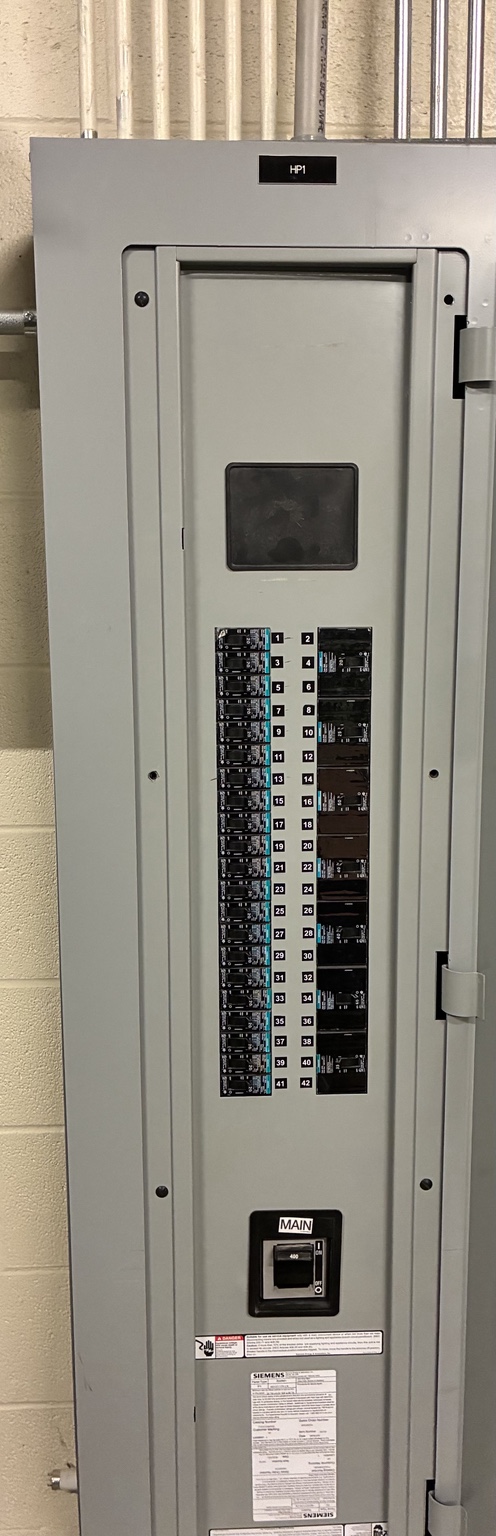
What maintenance can check without opening the panel
1. Keep required access clear
Keep the working area in front of electrical equipment clear and do not use the space for storage. Report blocked access, damaged doors, missing labels, or a panel that cannot be securely closed.
2. Look, listen and smell from a safe position
With the cover and door in place, look for obvious damage, discoloration, water, corrosion, missing blanks, or signs of impact. Abnormal buzzing, crackling, a burning odor, smoke, or unusual heat are escalation signals — not reasons to get closer.
3. Check the directory and identification
Verify that panel identification and circuit directories are legible and useful. Do not guess at circuit identification by opening the panel or touching conductors.
4. Document recurring trips
Record the circuit, load/equipment involved, time, conditions and whether the breaker trips again. Repeated tripping is a fault symptom that needs diagnosis, not repeated resetting.
Back away and escalate immediately
• Smoke, flame, arcing, sparking or crackling.
• A burning/electrical odor or visible heat damage/discoloration.
• Water actively entering, dripping onto, or pooled around electrical equipment.
• A panel, breaker or surrounding surface that appears abnormally hot.
• Exposed conductors, missing dead-front components, damaged enclosure, or accessible energized parts.
• Evidence of an electrical explosion/arc event.
• A breaker that trips immediately or repeatedly after a permitted reset.
• Any condition you are not trained, qualified, equipped or authorized to evaluate.
If there is fire, smoke, active arcing, shock hazard or immediate danger to occupants, follow the facility emergency plan and contact emergency responders as appropriate. Keep people away from the area.
What about a tripped breaker?
A tripped breaker can indicate overload, short circuit, ground fault, failed equipment or another electrical problem. If your employer's written procedure allows an unqualified maintenance employee to operate a breaker with all guards/covers intact, first identify and remove the obvious load when that can be done safely. A single reset may be appropriate only within that procedure. Never repeatedly reset a breaker to make it stay on. If it trips again, stop and call a qualified electrician.
Do not remove the dead front, reach into the panel, tighten terminals, take energized voltage readings, replace breakers, defeat interlocks, or attempt energized troubleshooting unless you are a qualified electrical worker performing the work under the applicable electrical-safety program.
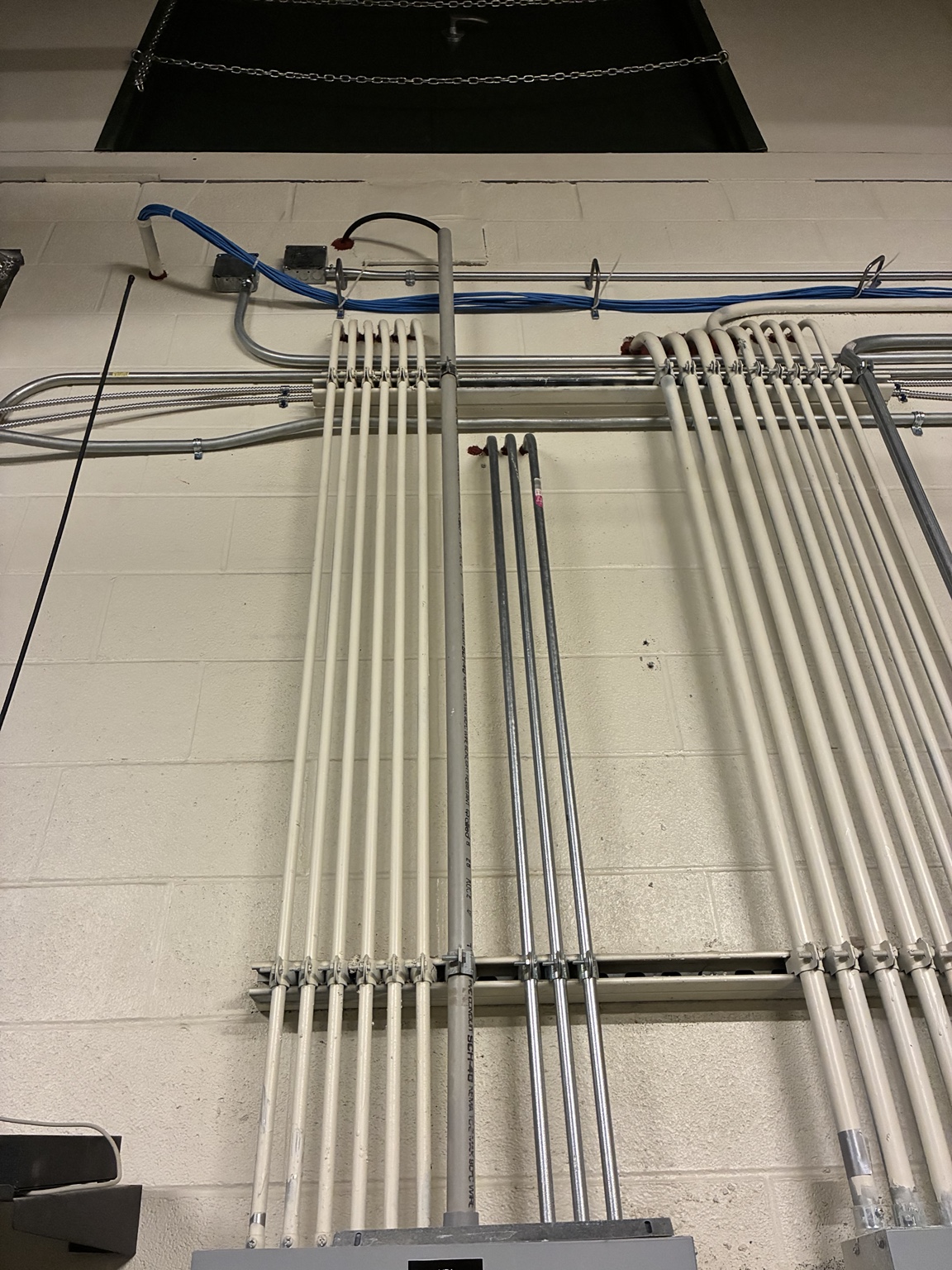
Preventive maintenance for general facility staff
At a site-defined interval, visually verify from the exterior that the enclosure is closed and secure, labels/directories are legible, access is clear, no water/corrosion/impact damage is visible, and no abnormal odor/noise/heat condition has been reported. Keep a record of recurring trips and electrical complaints. Internal inspection, torqueing, cleaning, thermal/electrical testing and energized work belong to qualified personnel under the site's electrical-safety and maintenance program.
When to call a qualified electrician
Call when there is recurring breaker operation, heat or burning odor, buzzing/crackling, corrosion or water exposure, damaged/missing panel components, uncertain circuit identification that affects safe work, evidence of overheating, required internal inspection, breaker replacement, conductor/termination work, or any diagnosis requiring exposure to energized parts.