Cabinet Doors Don’t Close Right: How to Adjust Concealed Hinges
Crooked cabinet doors are usually an alignment problem, a loose mounting plate, or damaged hinge hardware. A few controlled adjustments can often restore an even gap and smooth closing without replacing the cabinet.
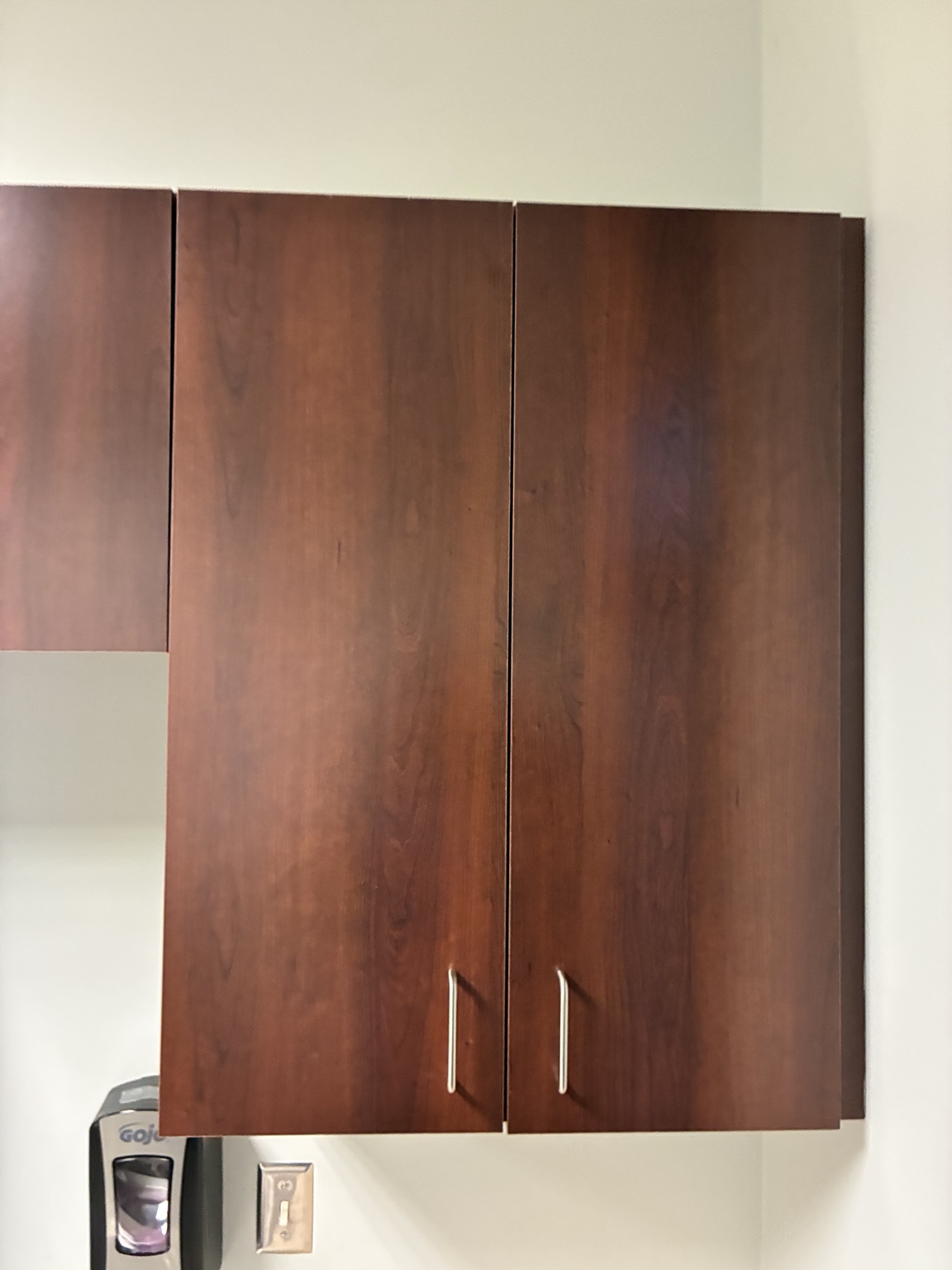
Most modern concealed cabinet hinges provide three adjustments: side-to-side, in-and-out, and up-and-down. Identify which direction is wrong, make a very small adjustment on one hinge at a time, close the door, and recheck the gaps.
Before you adjust anything
- Empty or support a heavily loaded door if needed.
- Confirm hinge screws and mounting plates are tight and the hinge is not bent or broken.
- Look at the gap between the two doors, the top/bottom alignment, and whether a door sits proud of the cabinet.
- Use a hand screwdriver when possible; an impact driver can strip particleboard or overdrive small hinge screws.
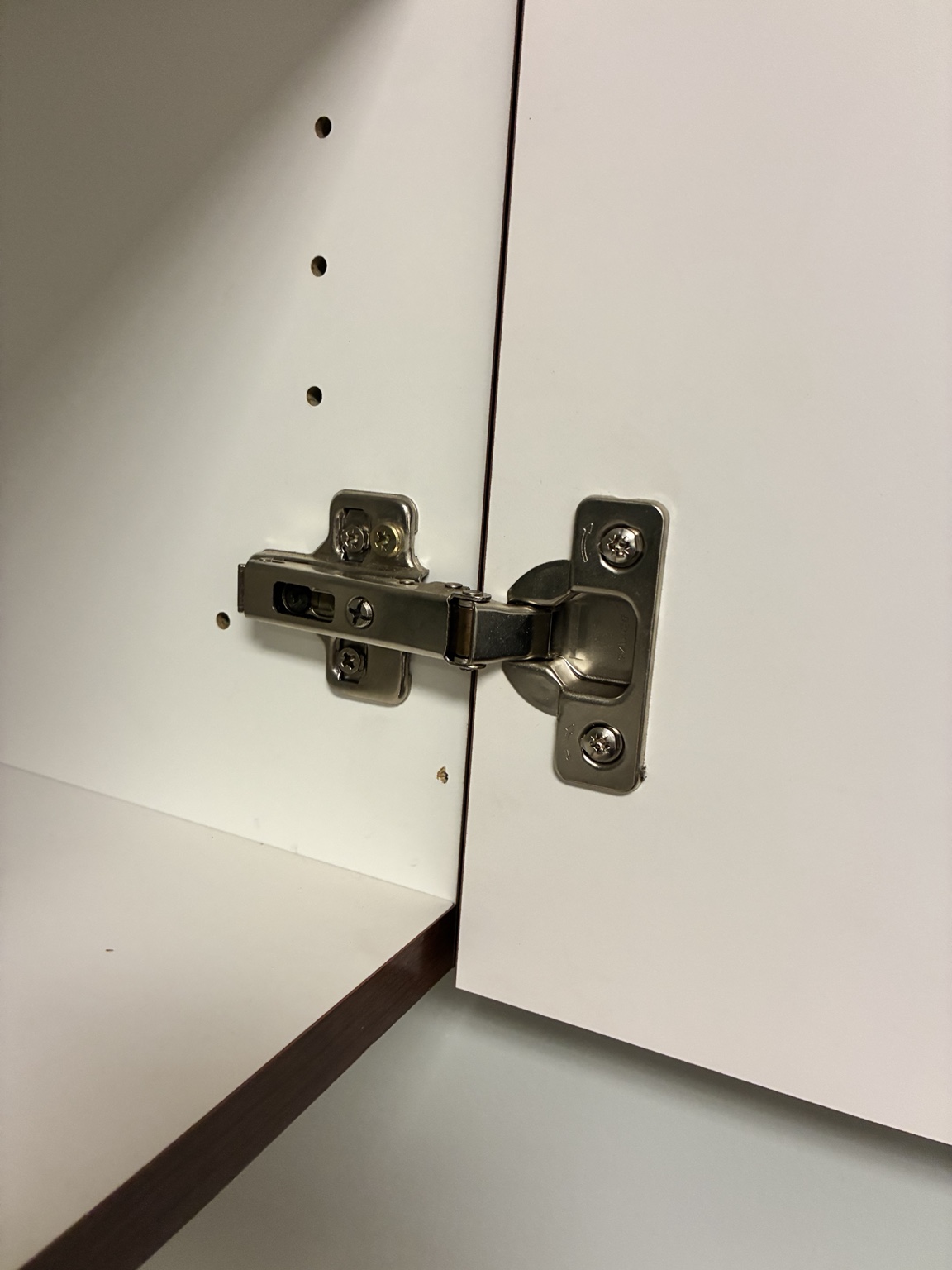
Adjust the door
1. Diagnose the direction
If the center gap is uneven, you likely need side-to-side adjustment. If one door is higher, correct height. If a corner sticks out or rubs the cabinet, check depth and hinge condition.
2. Make one small change
Turn the appropriate adjustment screw only a small amount—often a quarter turn or less. Do not remove screws just to see what they do.
3. Coordinate upper and lower hinges
Side-to-side changes may require small corrections at both hinges to keep the door vertical. Height adjustments may use mounting-plate slots or a dedicated adjustment depending on the hinge.
4. Close and compare
After every change, close both doors and inspect the reveals from normal viewing distance. Aim for even gaps without binding.
5. Test the full swing
Open and close the door several times. Confirm it clears the neighboring door, cabinet edge, shelves and hardware and stays where intended.
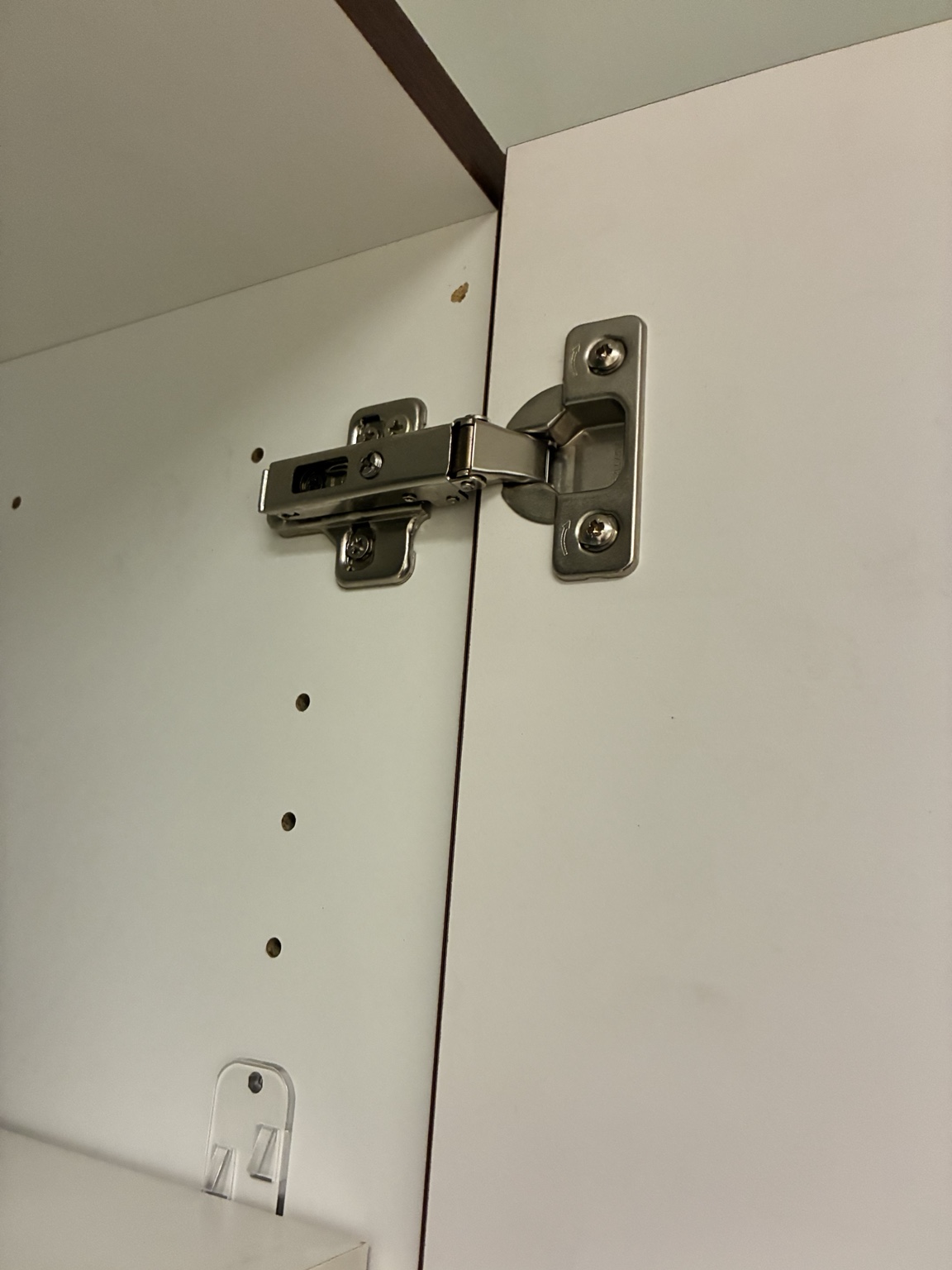
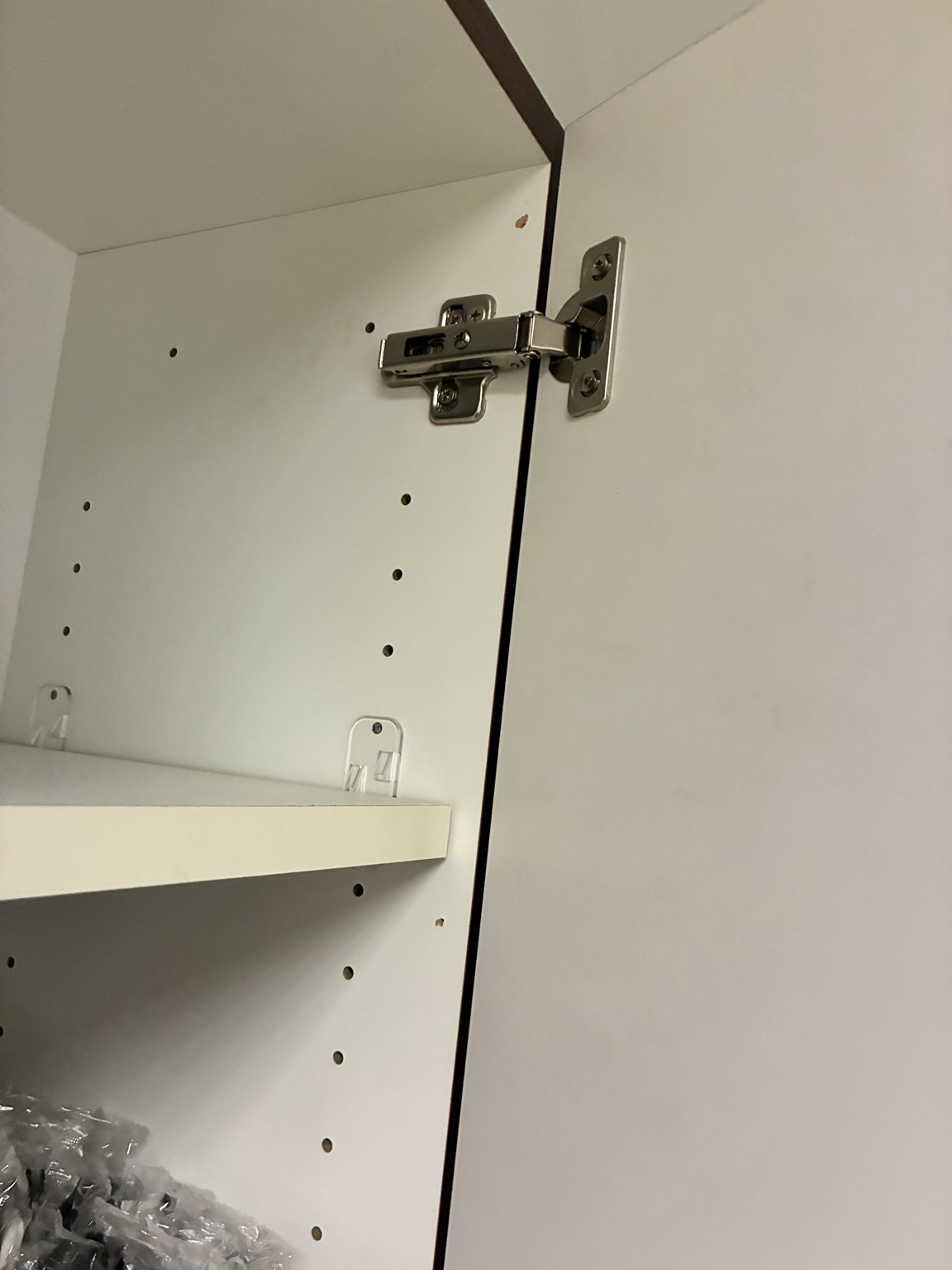
When adjustment will not fix it
- The hinge is bent, cracked or separating.
- Screws spin because the cabinet material is stripped or damaged.
- The door itself is warped or swollen.
- The mounting plate is pulling out of the cabinet.
- The hinge no longer holds its adjustment.
BuildingWrench provides general educational information for commercial-facility maintenance and management. Manufacturer instructions, applicable codes, site procedures, contracts, and required trade qualifications always take priority.