Commercial Door Closer Inspection & Preventive Maintenance
A good door closer should be boring: smooth opening, controlled closing and reliable latching. Catch leaks, loose arms, worn pivots and alignment problems before they become a slammed door, failed latch or life-safety deficiency.
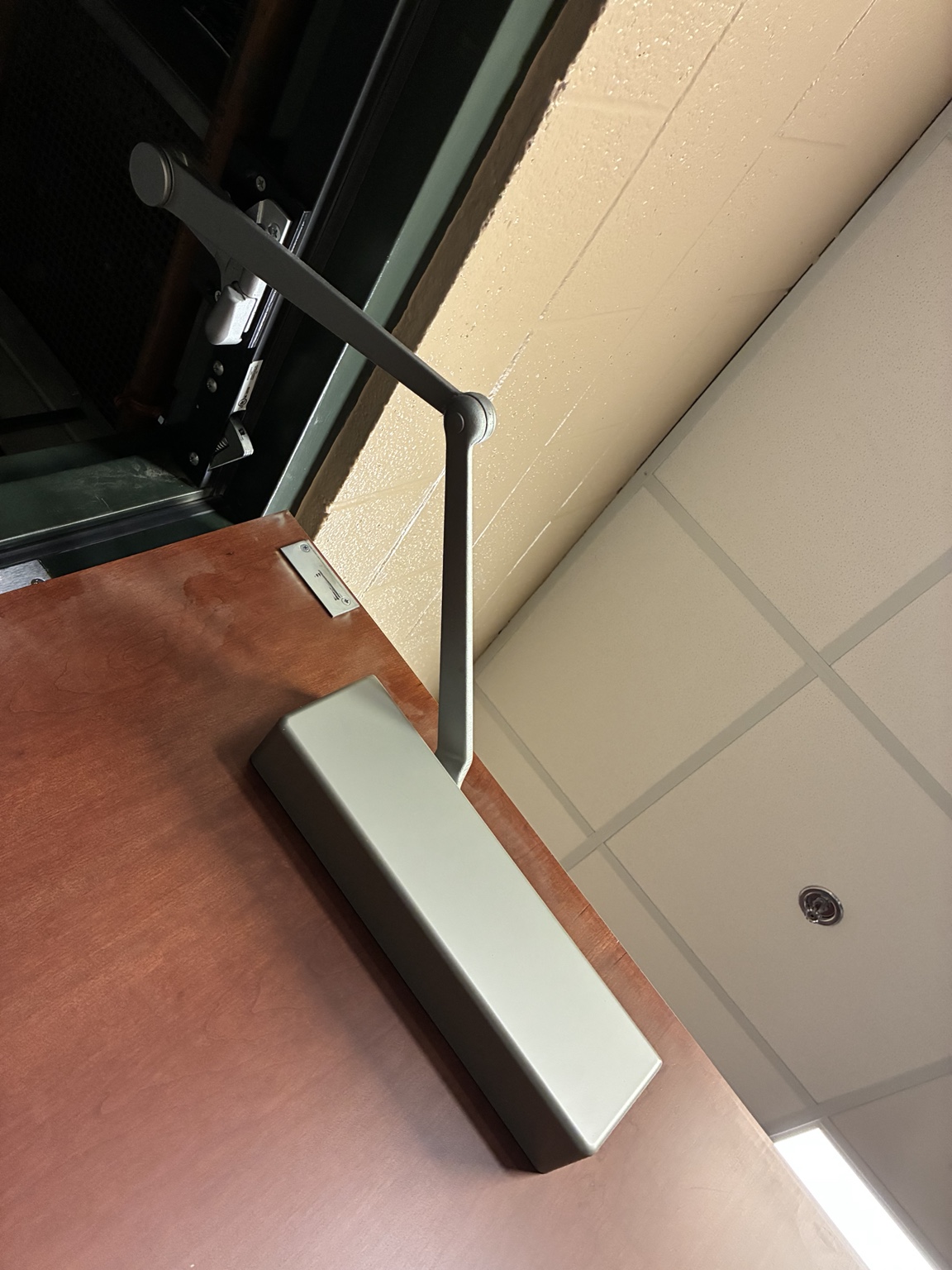
Monthly visual and functional check
1. Operate the door
Open and release it from several normal positions. It should move smoothly, close in a controlled manner and latch reliably without slamming or stopping short.
2. Inspect the closer body
Look for hydraulic-fluid leakage, impact damage, loose cover or obvious movement at the mounting screws. A leaking closer is a service/replacement issue, not something to top off in the field.
3. Check the arm, shoe and pivots
Look for loose/missing fasteners, bent arms, excessive play, damaged pivots or a bracket pulling away from the door/frame.
4. Check the whole opening
A closer cannot compensate for a sagging door, hinge problem, rubbing weatherstrip, damaged latch, misaligned frame or floor obstruction. Correct the root cause before chasing closer adjustments.
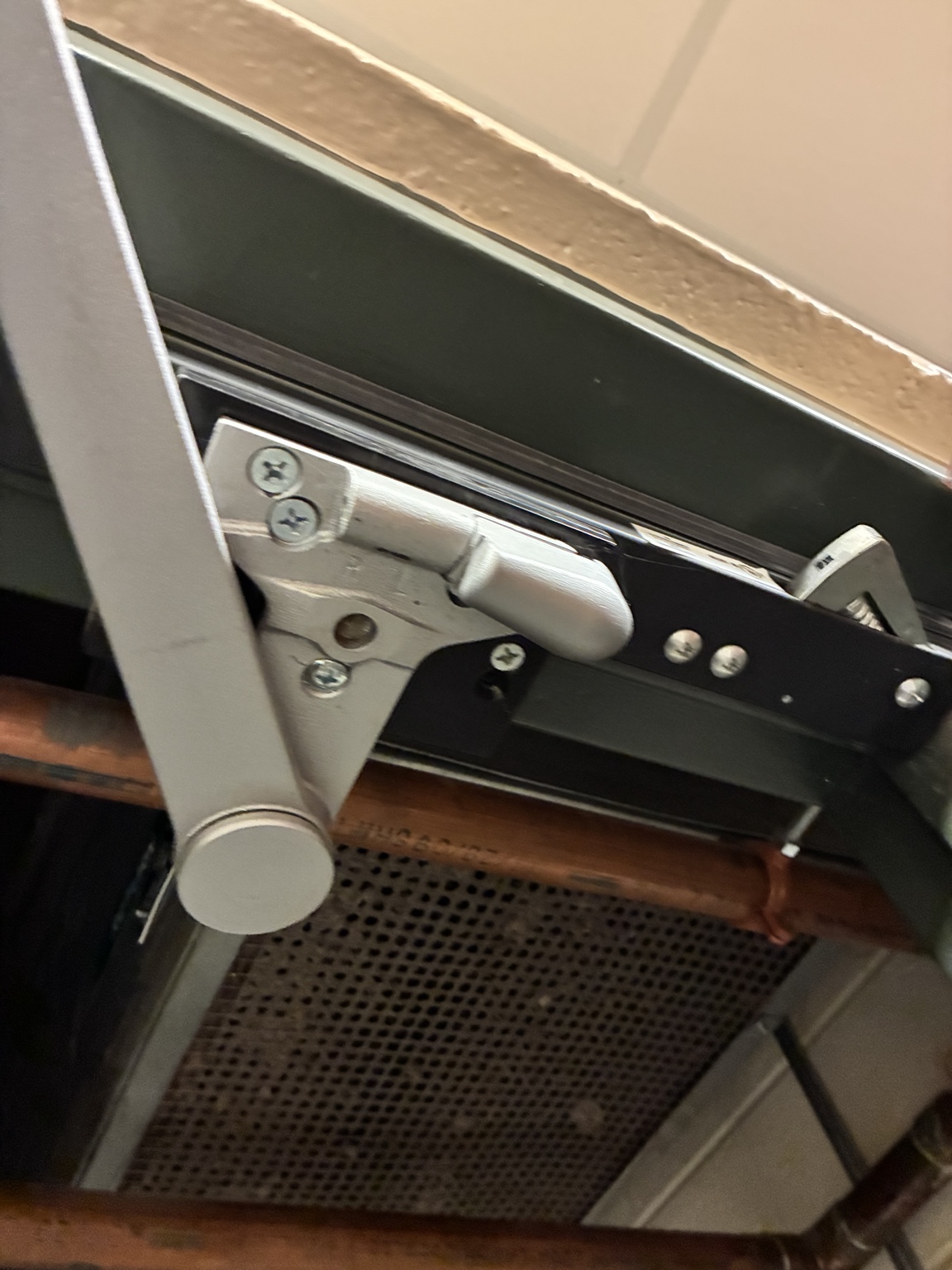
Basic closer adjustment — only when authorized
Many hydraulic closers have separate valves for sweep speed, latch speed and sometimes backcheck or delayed action. Do not guess which screw is which. Identify the closer model and use its instructions. If your maintenance program authorizes adjustment, make very small changes — commonly no more than about 1/8 to 1/4 turn — then cycle-test the door. Never remove an adjustment valve or wind it out far enough to release hydraulic fluid.
Do not use a speed adjustment to mask binding hinges, frame interference or a failing closer. Door opening force, closing speed and accessibility requirements can depend on the opening and applicable code.
Preventive maintenance
At least during routine building walks, check operation, latching, leaks and loose/damaged hardware. At a site-defined periodic PM interval, clean the closer/arm, verify accessible mounting fasteners are secure, inspect pivots and brackets, check door/hinge alignment, and lubricate only points and products permitted by the hardware manufacturer. Document recurring slamming, slow closing, failure to latch or oil leakage.
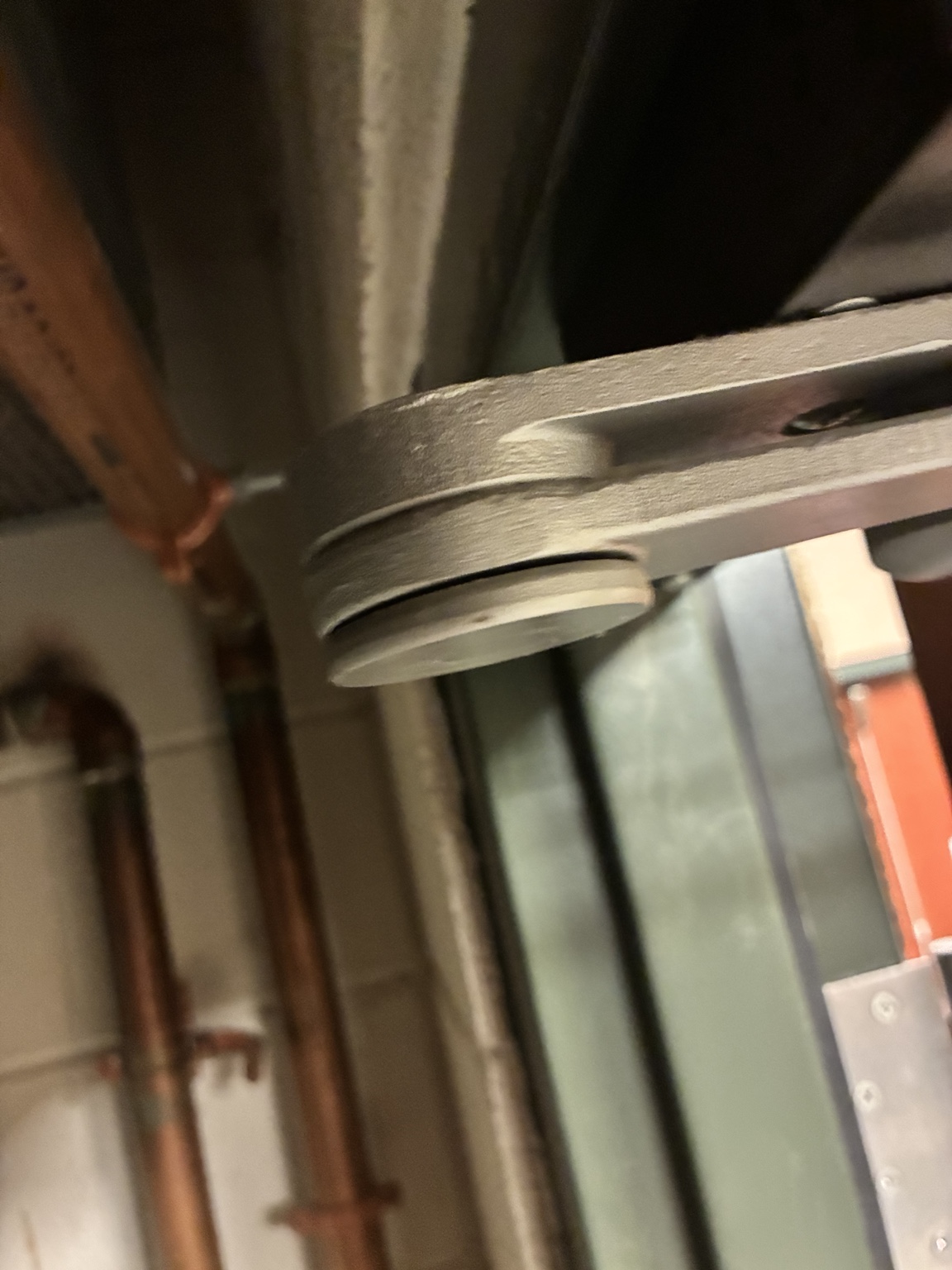
When to call a door/hardware professional
• Hydraulic fluid is leaking.
• The closer body, arm, shoe, track or frame attachment is damaged.
• Fasteners are stripped or the door/frame substrate is damaged.
• The door will not reliably close and latch after basic authorized adjustment.
• The door is unusually hard to open or behaves unpredictably.
• You cannot identify the adjustment valves/model instructions.
• The opening is fire-rated and the proposed work could affect the listed assembly.
• Replacement, major realignment or hardware modification is required.
Fire-rated doors need another level of care
NFPA 80 requires periodic inspection and testing of fire-door assemblies at least annually, including proper operation and full closure. The entire assembly matters — door, frame, hinges, closer, latch, gasketing and other listed components. Do not wedge a required fire door open or make field modifications that could compromise its listing. Use trained/qualified personnel for the required inspection and for work outside your authorization.
References
- NFPA 80 — Standard for Fire Doors and Other Opening Protectives
- Manufacturer's installation and adjustment instructions for the exact closer model.