Commercial Hydronic Loop Water Systems: A Facility Technician’s Field Guide
Hydronic systems look complicated because there is a lot of pipe in one place. Break the system into flow, temperature, pressure and controls and it becomes much easier to troubleshoot.
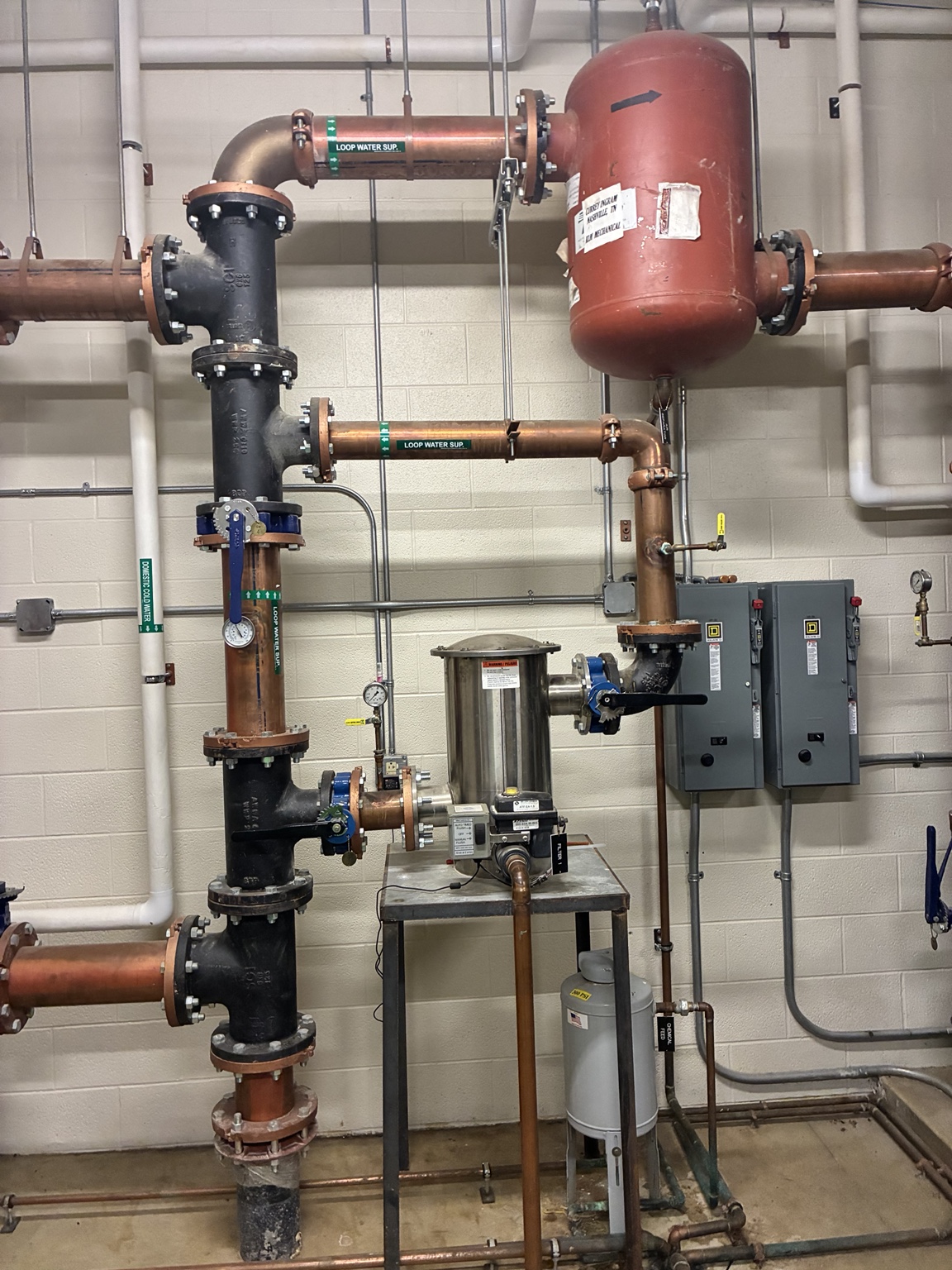
A hydronic loop moves water through building equipment to carry heat. Depending on the building, that loop may serve water-source heat pumps, boilers, chillers, coils or other terminal equipment. The pumps create flow; the expansion tank accommodates water-volume change; valves isolate or balance sections; gauges, sensors and controls tell the system how it is behaving.
Read the system before you troubleshoot it
1. Identify supply and return
Trace the main piping and use permanent labels, flow arrows, equipment tags and drawings. Do not assume pipe direction from appearance alone.
2. Find the pumps
Circulators are the heart of the loop. Note which pumps are running, whether a lead/lag arrangement exists, and whether there is abnormal vibration, noise or heat. Never open electrical compartments while energized.
3. Find the expansion tank and air-management components
The expansion tank helps control pressure as water temperature changes. Air separators, vents and related devices help keep entrained air from disrupting circulation. A waterlogged tank or air problem can show up as pressure swings, noise and poor flow.
4. Record temperatures and pressures
Use installed gauges or BAS trends where available. A single number means little without normal baseline data; compare supply/return temperatures, loop pressure and pump status to known-good operation.
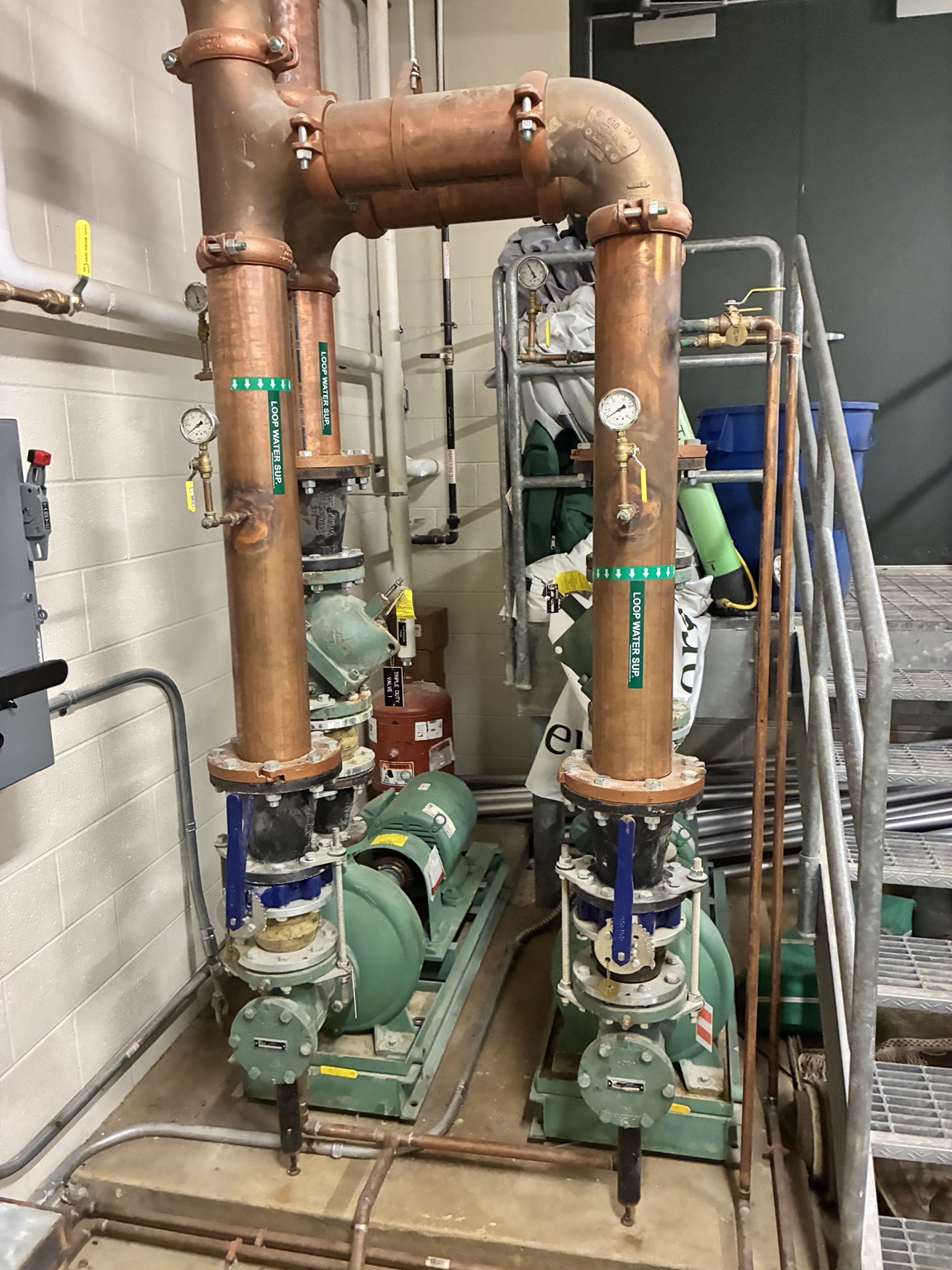
Common symptoms and first checks
- Several zones are hot or cold: check loop pump status, BAS alarms, system schedule, loop temperature and whether a common valve or piece of central equipment is affected.
- One zone is affected: the problem is more likely local—terminal unit, control valve, strainer, airflow or local controls.
- Gurgling or rushing-water noise: document pressure and look for signs of air in the loop or recent service.
- Large pressure changes: document cold versus operating pressure and escalate possible expansion-tank or fill-system issues.
- Pump noisy or vibrating: check for obvious mounting problems, closed valves, leakage and whether the system has adequate pressure. Do not keep resetting a tripped pump.
- Visible leak: protect the area, identify the source and isolate only a positively identified section when authorized.
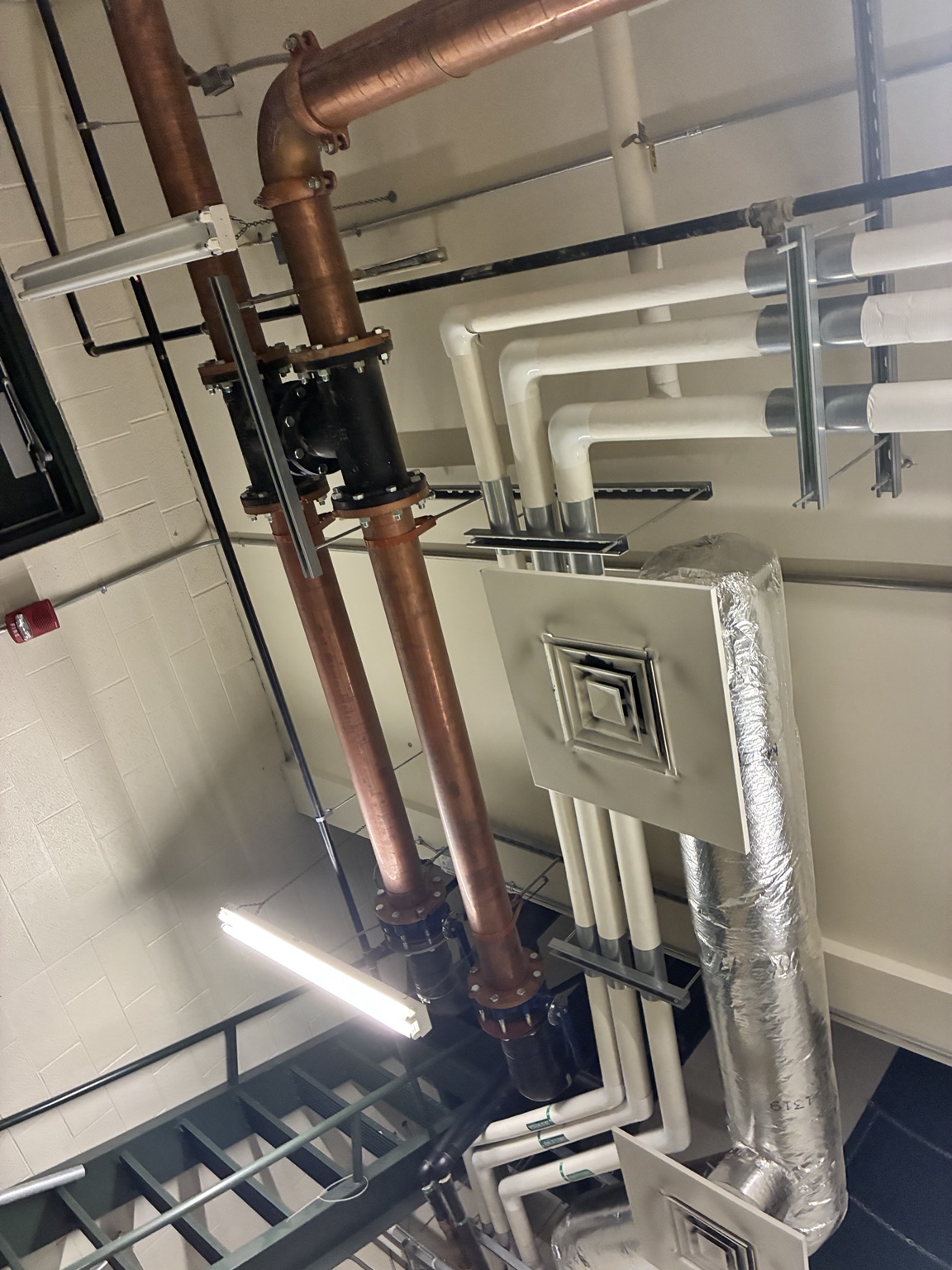
Useful PM records
Keep normal operating pressure, supply/return temperatures, pump lead/lag status, visible leak history, strainers/service dates, water-treatment reports and valve maps. Trend data turns a complicated piping system into something a technician can diagnose logically.
BuildingWrench provides general educational information for commercial-facility maintenance. Manufacturer instructions, applicable codes, site procedures, water-treatment requirements, and required trade qualifications take priority.