Hoshizaki F-450MAJ-C Ice Maker Troubleshooting Guide
When this Hoshizaki stops making ice, makes too little ice, or leaks, work from the outside in. Power, water, filtration, drainage and airflow are the highest-value facility checks.
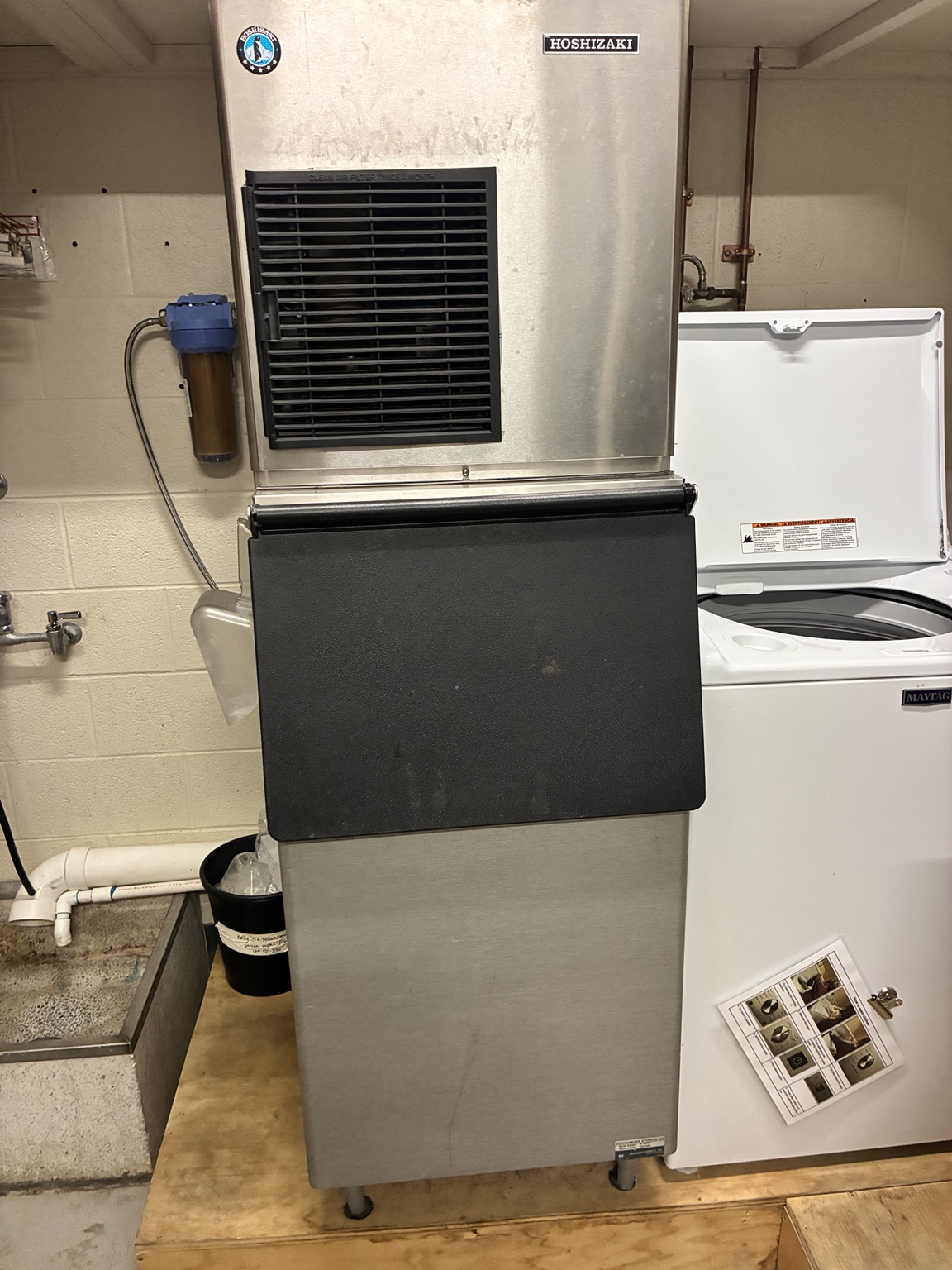
Start outside the machine: confirm the exact symptom, power, water supply, filter condition, drain path, airflow and bin condition. Those checks solve or sharply narrow many service calls before panels come off.
1. Identify the exact machine
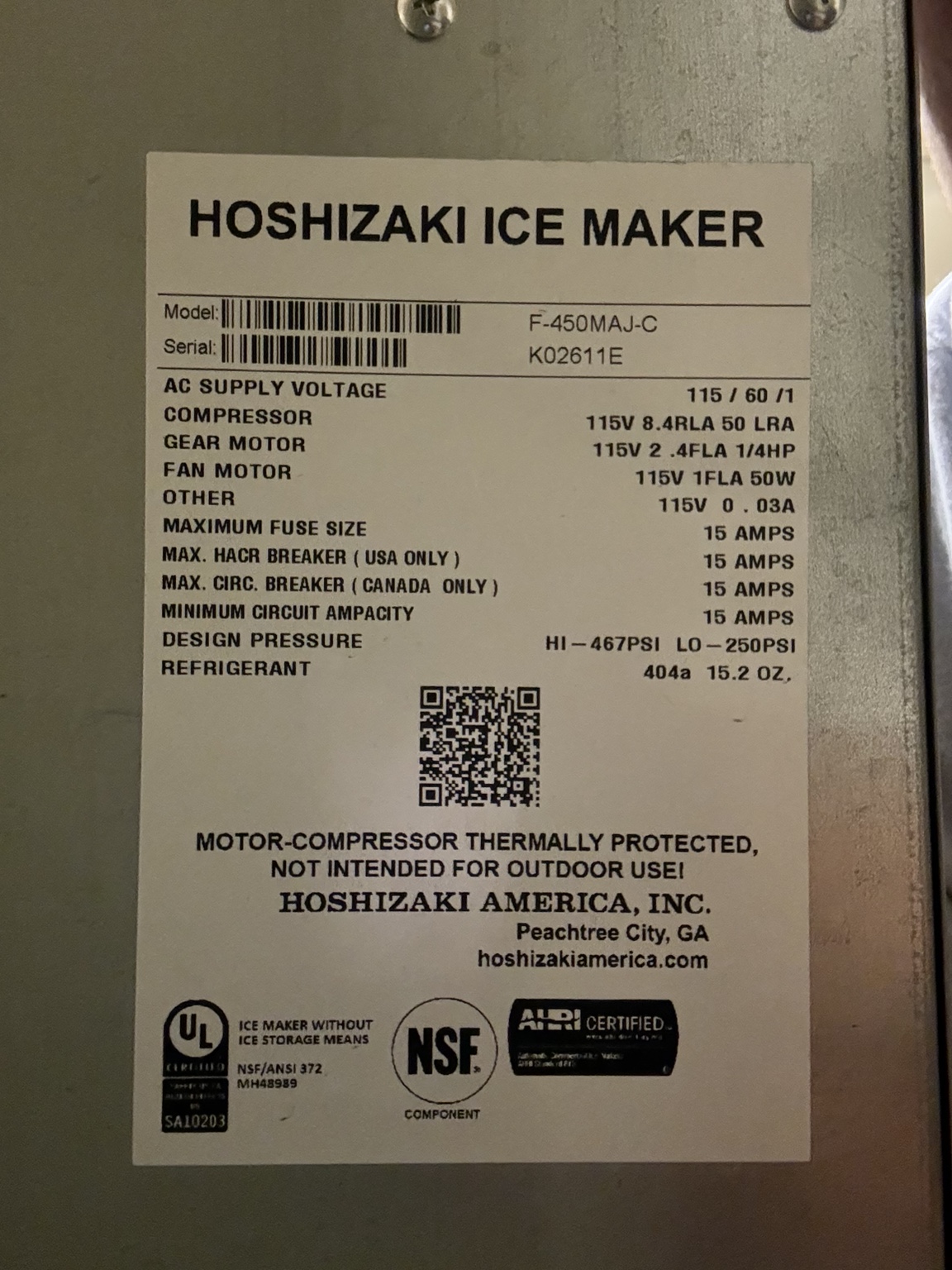
Record the model and serial before ordering parts or looking up service information. Similar-looking Hoshizaki machines can use different components and diagnostic procedures.
2. If the machine makes no ice
Confirm power
Verify the machine is supposed to be on, the plug/disconnect is in its normal operating condition, and no obvious upstream outage exists. Do not repeatedly reset a breaker that trips.
Confirm water
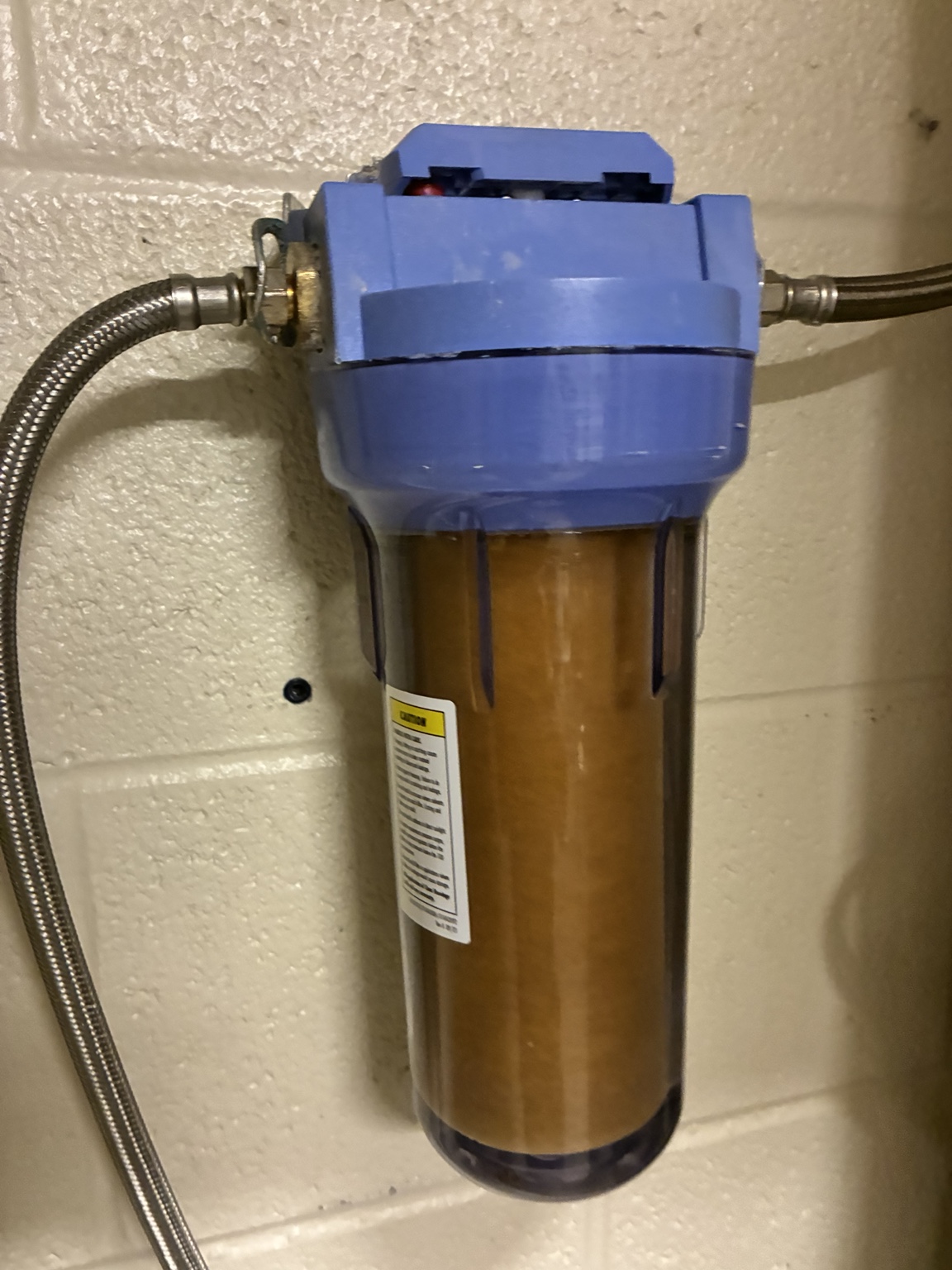
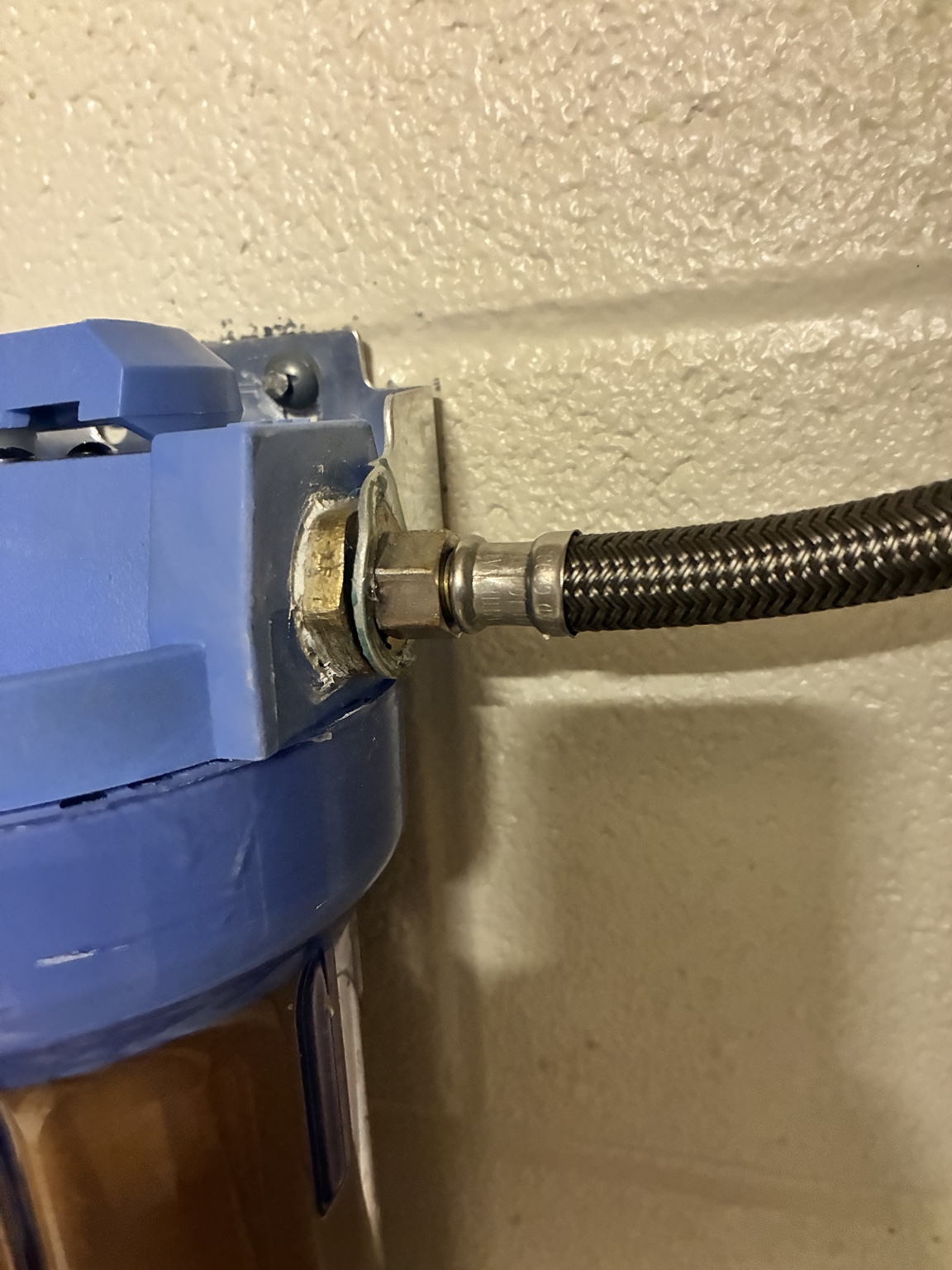
Verify the dedicated water supply is open and inspect the external filter. A loaded filter can restrict flow enough to cause poor production or operational problems.
Check the bin
If the storage bin is full or the bin-control area is obstructed, the machine may be correctly satisfied rather than failed. Do not bypass the bin control.
Check drainage and airflow
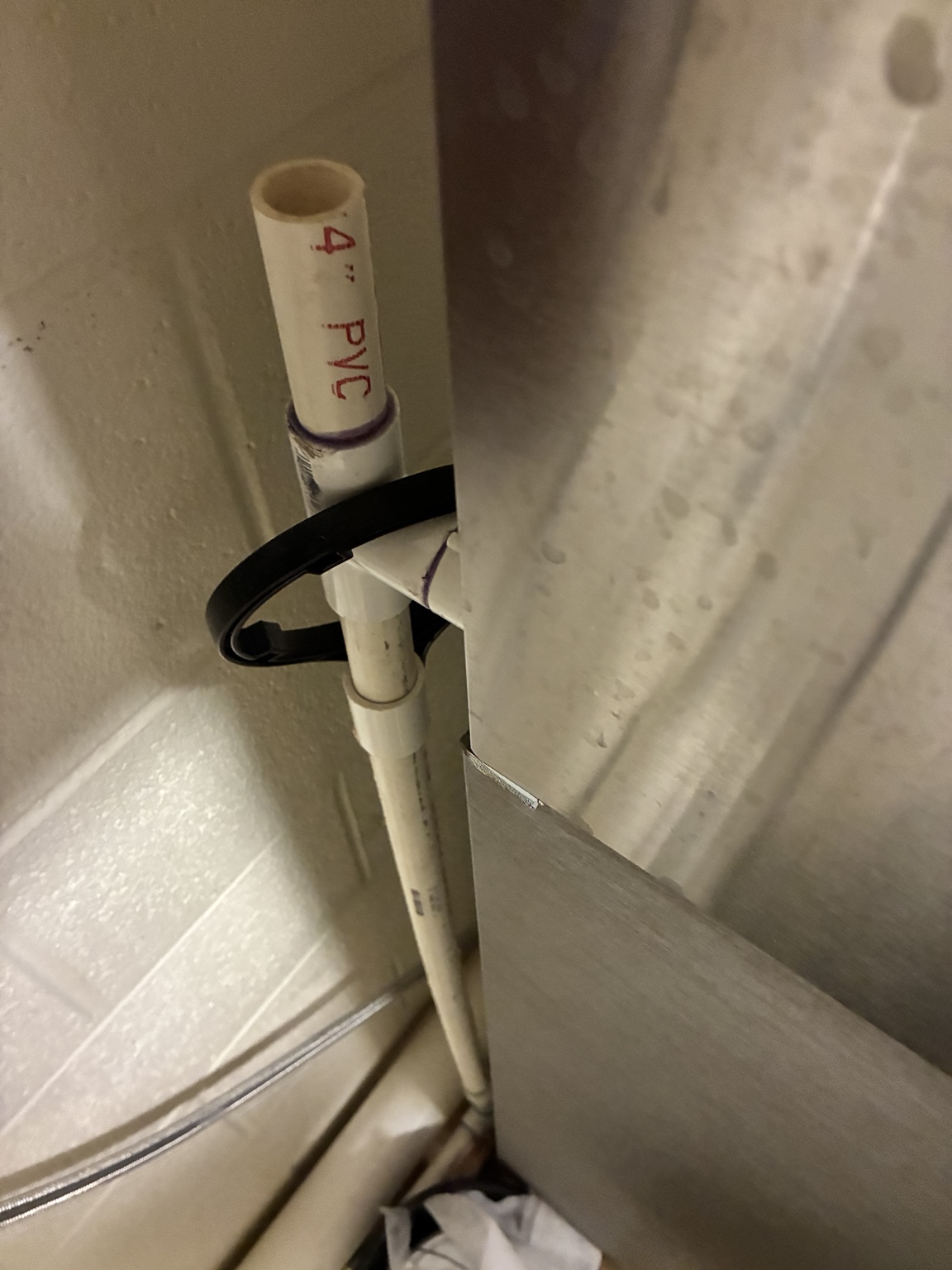
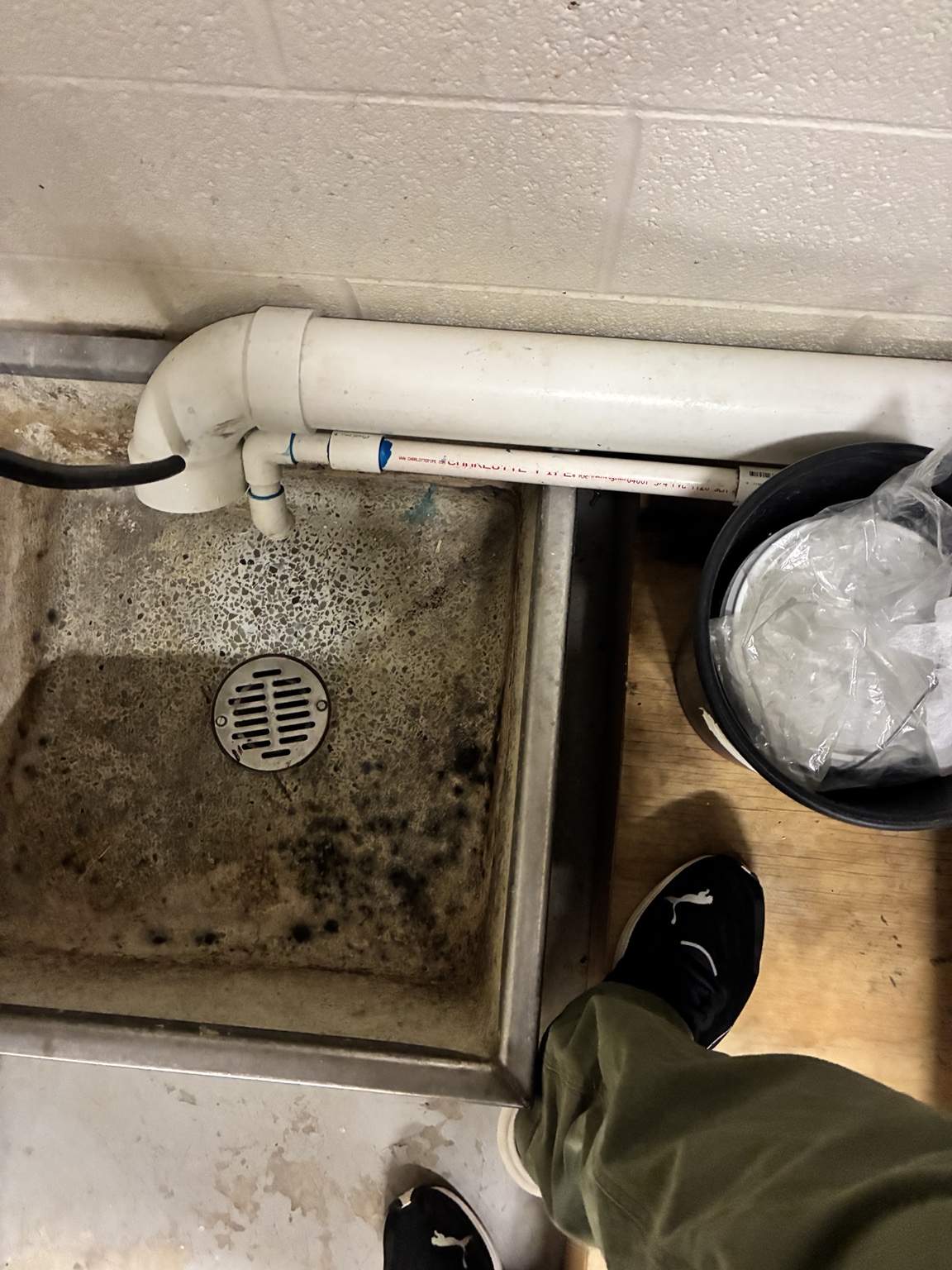
Confirm drains are open and properly air-gapped, and keep the condenser air path clear. Poor heat rejection can reduce ice production.
3. Inspect the water filter and connections
4. If there is water on the floor
Dry the area, then identify the first point that becomes wet. Do not assume the puddle location is the leak source.
5. Symptom-to-cause checklist
- No operation: power, controls/schedule, full-bin condition, water availability; then qualified internal diagnosis.
- Low ice production: dirty condenser/blocked airflow, restricted water filter, warm room/entering water, intermittent water supply, scale, or refrigeration/mechanical problems.
- Wet or slushy ice: operating conditions, water system/scale, drain problems or internal refrigeration/mechanical issues.
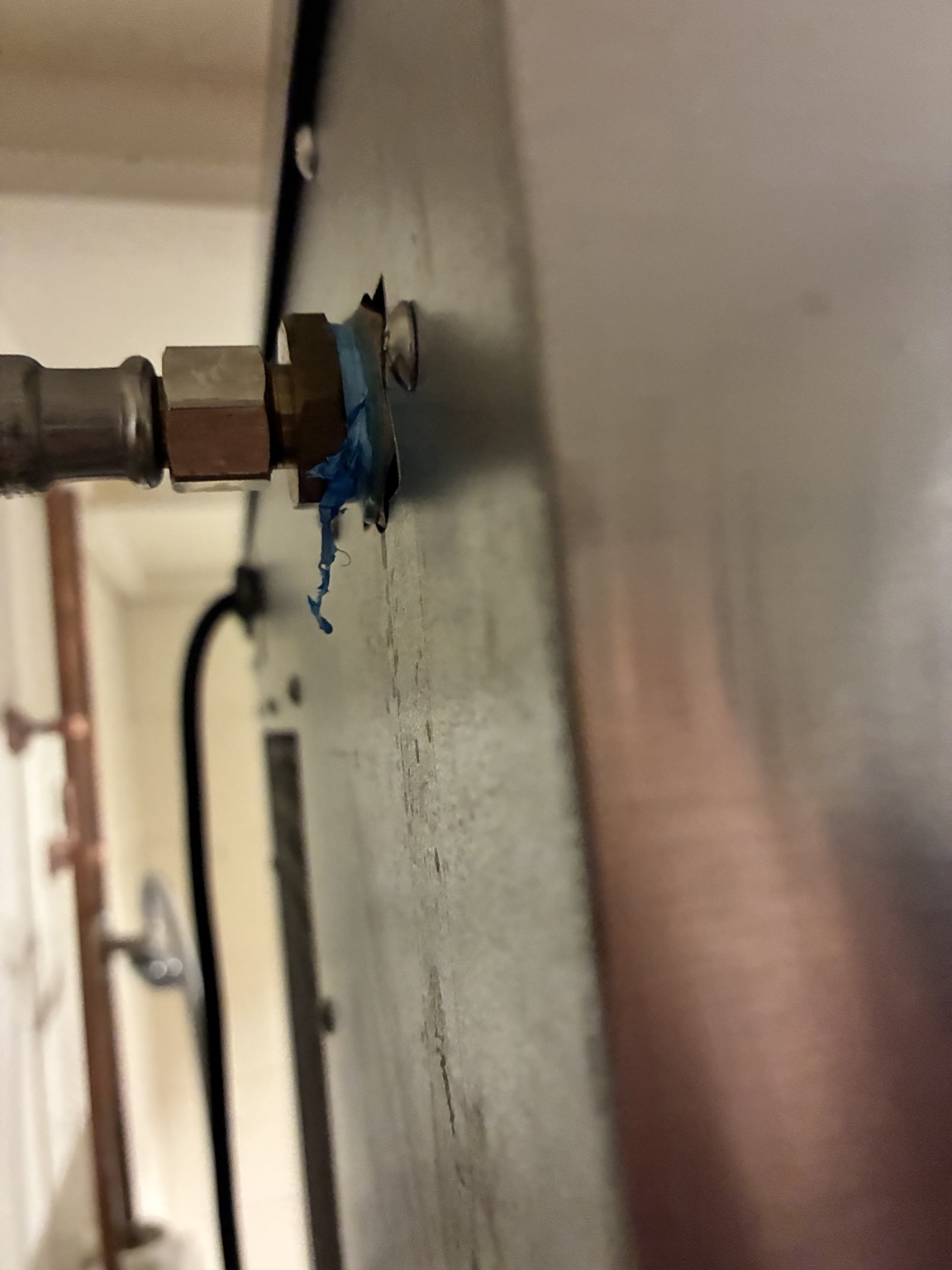
- Water leak: filter housing/fittings, supply hose, machine inlet, drain piping, bin/drain path or an internal leak.
- Unusual grinding/squealing: stop and escalate. A flaker uses an auger and gear motor; abnormal mechanical noise should not be ignored.
- Breaker trips or burning odor: remove from service and have qualified personnel investigate. Do not keep resetting.
6. Cleaning and preventive maintenance
Keep the condenser air path clean, replace the external water filter on an appropriate schedule, inspect hoses/fittings and drains, and perform manufacturer-required cleaning and sanitizing. Ice is food: use the manufacturer’s approved cleaning/sanitizing procedure and chemicals, discard affected ice, and protect the bin from contamination during service.
- External power, water, filter, drain and airflow checks are normal but the machine still will not produce ice.
- There is an internal leak, refrigerant concern, freeze-up, repeated shutdown, electrical trip, control fault, or abnormal auger/gear-motor noise.
- Panels must be removed for live electrical testing or sealed-system diagnosis.
- You cannot verify a sanitary return to service after contamination or internal work.
Field note for this installation
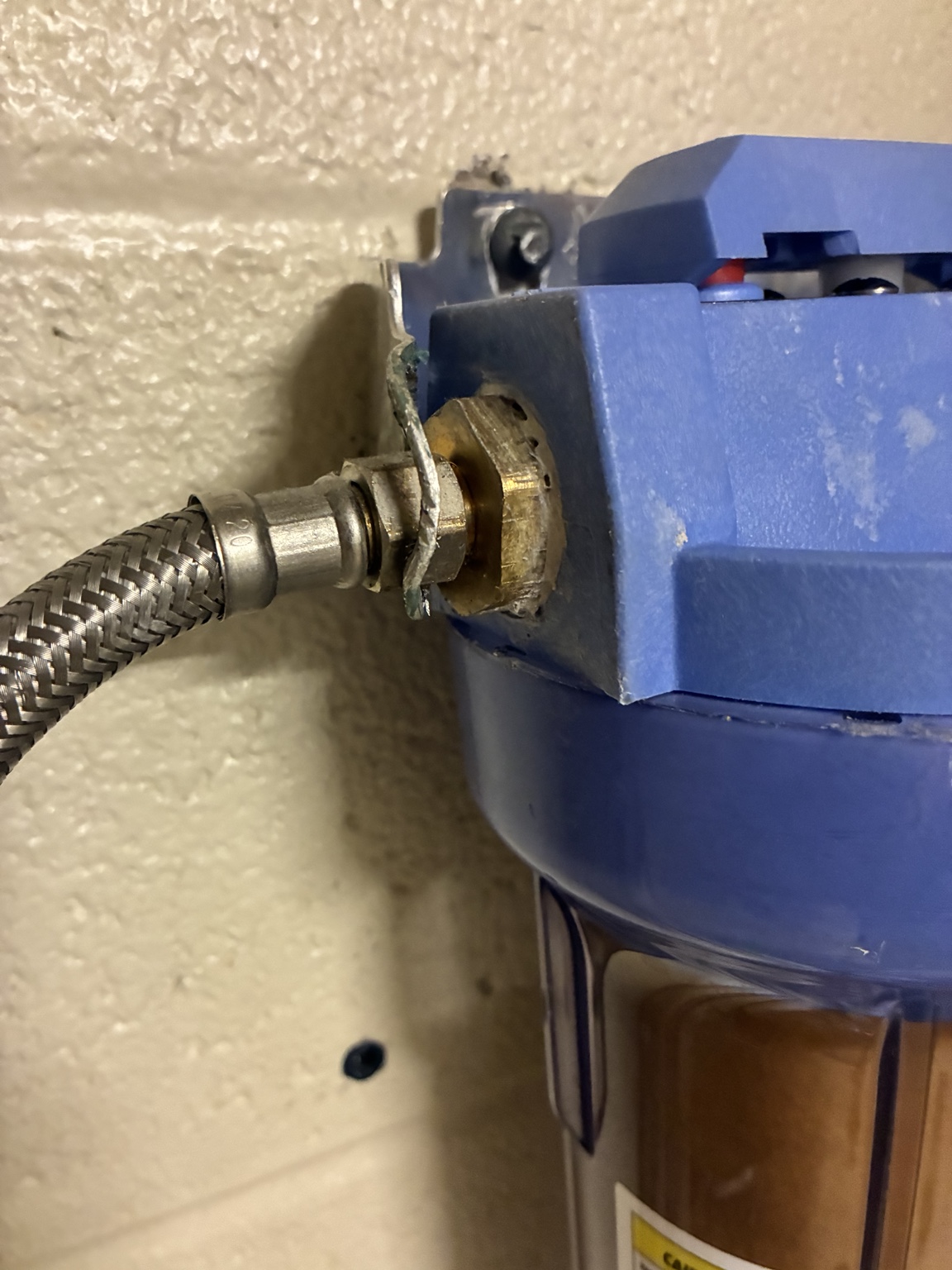
The photos show an external cartridge filter, braided water connections, a cabinet inlet connection, and PVC drainage to a floor sink. Those accessible points are exactly where a facility technician should begin before assuming an internal machine failure.
BuildingWrench provides general educational information for commercial-facility maintenance. Manufacturer instructions, applicable codes, site procedures, water-treatment requirements, and required trade qualifications take priority.