AED Inspection & Readiness: A Facility Maintenance Guide
AED maintenance is mostly about readiness: the device is where it belongs, accessible, showing a normal ready status, and stocked with unexpired model-approved pads and battery.
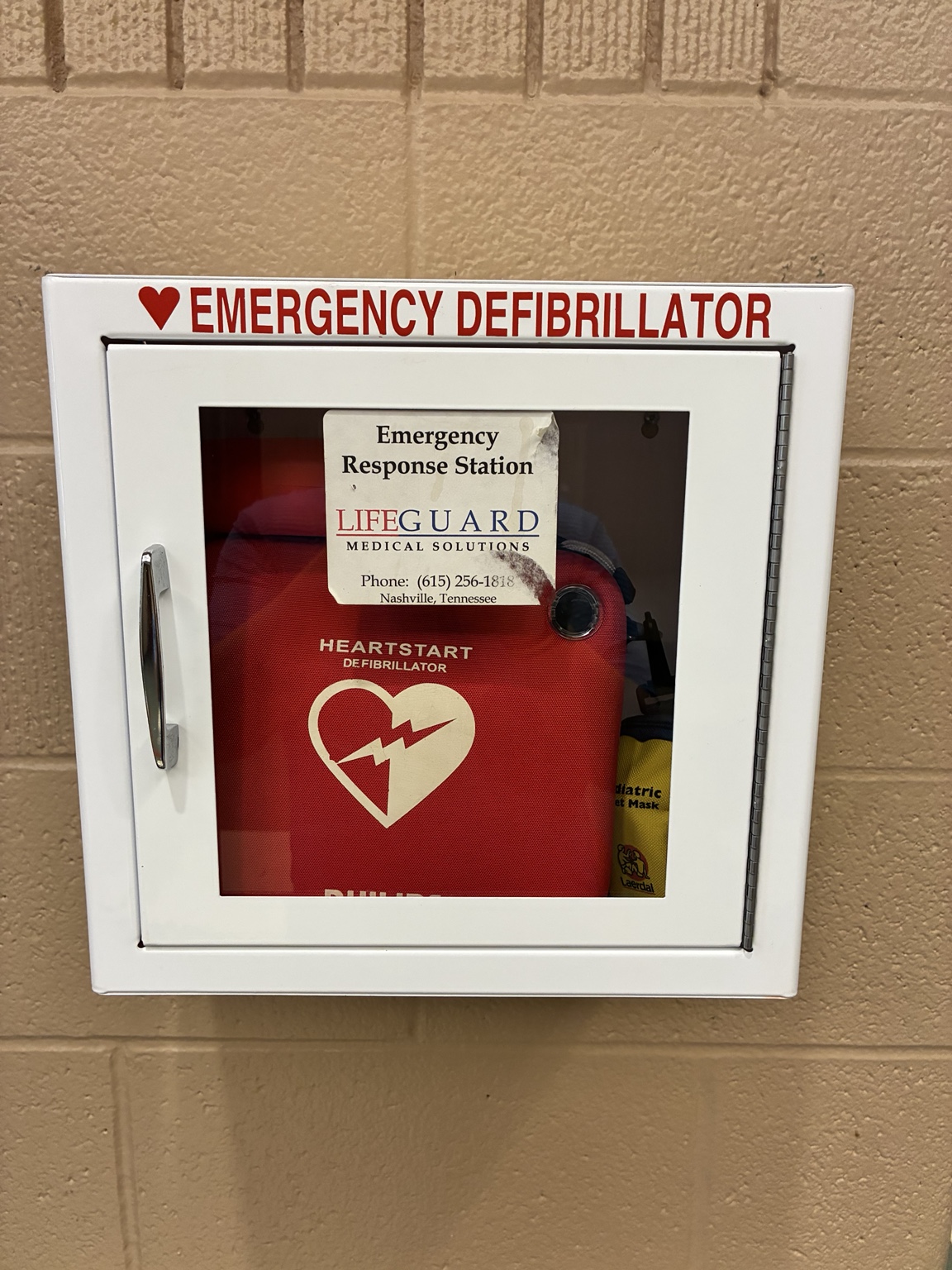
How often to check
Use the AED manufacturer's inspection schedule and your facility's emergency-response/AED program. As a practical facility routine, a documented monthly readiness check is a useful baseline unless the manufacturer or site program requires more frequent checks. Also check after an AED has been used, after an alarm/error indication, and after any event that could have damaged the cabinet or device.
Monthly readiness check
1. Status indicator
Confirm the device displays the manufacturer's normal ready/OK status. A red, failed, blank or unfamiliar status indication requires follow-up using the device manual or service provider.
2. Access and cabinet
Confirm the AED is in its designated location, readily accessible, not blocked, and the cabinet/signage are intact. If the cabinet has an alarm, verify it according to the site's approved procedure without compromising AED readiness.
3. Pads and battery
Check that electrode-pad packages are sealed and within their expiration date, and that the battery status/expiration or replacement date is acceptable for the model. Confirm required pediatric pads/key, spare battery or other site-required accessories are present where applicable.
4. Physical condition
Look for cracks, contamination, moisture, missing components, damaged cables/connectors or evidence of tampering. Do not dismantle the AED for a routine facility inspection.
5. Rescue kit and signage
Verify the site's intended rescue supplies are present and usable, such as gloves, scissors, razor and barrier mask, and that directional/AED signage remains visible.
When to call your AED service provider
• The ready/OK indicator is not normal or the AED reports an error.
• Pads or battery are expired, near the facility's replacement threshold, damaged or missing.
• The AED has been used.
• The cabinet, AED, cable, connector or accessories are damaged or contaminated.
• The unit was exposed to water, extreme temperature or another condition outside manufacturer limits.
• Required accessories are missing and cannot be replaced with the exact approved item.
• You cannot verify the device is rescue-ready.
After the AED is used
Do not simply return it to the cabinet. Follow the manufacturer's post-use process and the facility's medical/emergency-response program. Typically this includes replacing used pads and other consumed supplies, checking/replacing the battery if required, cleaning the device as instructed, downloading/event-data handling only by authorized personnel, and confirming the AED returns to its normal ready status before it is placed back in service.
What to record
Record AED location/ID, date, ready-status indication, pad expiration, battery status/date, cabinet/access condition, accessory status, deficiencies and corrective action. Keep the record consistent with your facility's AED program and manufacturer recommendations.
References
- American Heart Association — What is an AED?
- Manufacturer's instructions for the exact AED model installed at your facility.