Monthly Commercial Restroom Inspection Checklist
Restrooms generate a constant stream of small maintenance problems. A monthly inspection of flushometers, faucets, drains, partitions, accessories, caulk, exhaust, lighting, and hidden leaks catches water waste and user complaints before they become emergencies.
Match the symptom before you touch anything
Good maintenance starts by describing what the system is actually doing. Use the pattern below to decide where to look first.
| What you see | What it points toward | First move |
|---|---|---|
| Hissing toilet | Flushometer run-on | Create repair work order. |
| Loose partition | Fastener/anchor wear | Repair before failure. |
| Slow sink | Local drain restriction | Clean accessible drain. |
| Musty odor | Drain/ventilation/moisture issue | Investigate source. |
| Loose grab bar | Safety issue | Prioritize correct anchorage. |
Tools and preparation
What to bring
- Flashlight
- Checklist/phone
- Paper towels
- Basic hand tools
- Moisture meter optional
Before you start
- Confirm the exact location and complaint.
- Photograph labels, settings, and error codes before changing anything.
- Know how to isolate water, power, or the affected area if needed.
- Follow site-specific PPE, lockout/tagout, ladder, roof, and access procedures.
Step-by-step
Flush every toilet/urinal
Watch full cycle, shutoff, clearing, splash, leaks.
Run every faucet
Verify operation, flow, temp, shutoff, leaks.
Check under every sink
Look for fresh drips, corrosion, wet cabinets.
Check drains and odors
Follow site procedure for trap maintenance.
Inspect partitions/accessories
Tighten loose accessible fasteners.
Check caulk/sealant
Look for failed joints around fixtures and walls.
Check lighting/exhaust
Verify fixtures and airflow.
Record water waste
Running fixtures deserve priority because they waste continuously.
Common mistakes
- Inspecting cleanliness only
- Ignoring under-sink areas
- Not flushing every fixture
- Treating loose grab bars as cosmetic
- Accepting recurring odors as normal
When to stop and hand it off
- Grab bars/accessibility hardware unsafe
- Sewage backup
- Electrical fixtures wet
- Hidden moisture/mold suspected
- Piping significantly corroded
Frequently asked questions
Why monthly?
It is frequent enough for many buildings; high-use restrooms may need more.
Should floor drains hold water?
Traps need a water seal, but maintenance method varies by system.
Highest-value catch?
Continuous water waste and hidden leaks.
Include custodial staff?
Yes; they often notice early changes before work orders appear.
Related BuildingWrench guides
BuildingWrench provides general educational information for commercial-facility maintenance. Manufacturer instructions, applicable codes, site procedures, and required trade qualifications always take priority.
← Back to Preventive Maintenance
Tools that fit this task
Use what you already own first. These affiliate links may earn a commission at no extra cost to you. Confirm model and compatibility before buying.

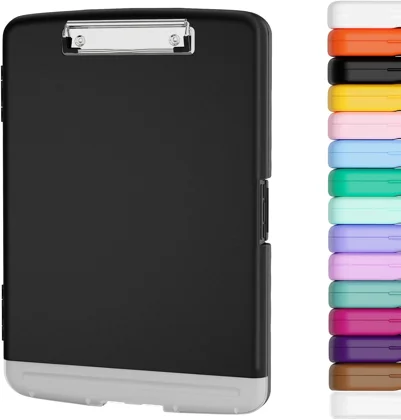
Record location, readings, defects, responsible person, and follow-up date.