Water Stain Under an HVAC Unit: Roof Leak or Condensate?
A ceiling stain near HVAC equipment can come from condensate, chilled-water piping, roof leaks, sweating ductwork, or plumbing. The timing of the leak—rainy weather versus cooling operation—is one of the fastest ways to narrow it down.
Match the symptom before you touch anything
Good maintenance starts by describing what the system is actually doing. Use the pattern below to decide where to look first.
| What you see | What it points toward | First move |
|---|---|---|
| Only when cooling runs | Condensate/sweating | Inspect pan, drain, insulation. |
| Only during rain | Roof/envelope | Trace weather path. |
| Wet duct exterior | Insulation/vapor barrier issue | Inspect cold surfaces. |
| Pan full | Drain/pump blockage | Correct drainage. |
| Pipe insulation soaked | Condensation or pipe leak | Identify inside vs outside moisture. |
Tools and preparation
What to bring
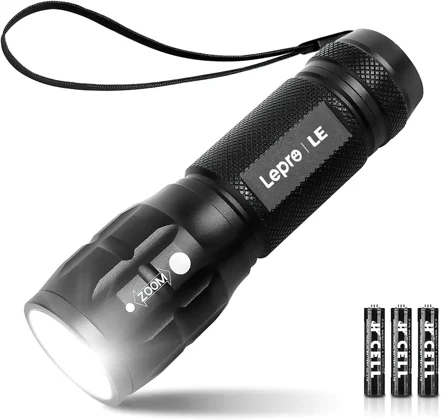
- Flashlight
- Moisture meter if available
- Thermometer
- Rags
- Camera
Before you start
- Confirm the exact location and complaint.
- Photograph labels, settings, and error codes before changing anything.
- Know how to isolate water, power, or the affected area if needed.
- Follow site-specific PPE, lockout/tagout, ladder, roof, and access procedures.
Step-by-step
Record when stain becomes wet
Weather vs equipment operation narrows cause.
Look directly above stain
Identify units, drains, piping, ducts, roof penetrations.
Inspect pan and drain
Standing water/float switch are strong clues.
Measure safe surface/air conditions
Cold sweating surfaces point to condensation.
Inspect insulation and vapor barrier
Gaps can create drips far from the defect.
Compare recent weather
If equipment is off during leak, focus on envelope.
Dry and monitor
Old stains can look active; verify moisture.
Common mistakes
- Assuming every HVAC-adjacent stain is condensate
- Assuming every stain is roof leak
- Replacing tile too early
- Ignoring insulation gaps
- Bypassing float switch
When to stop and hand it off
- Water near electrical equipment
- Insulation extensively saturated
- Active chilled-water leak suspected
- Roof access unsafe
- Concealed drain repair needed
Frequently asked questions
Can ducts drip water?
Yes; cold duct surfaces can condense moisture if insulation/vapor barrier fails.
How tell old stain from active leak?
Use touch, paper towel, or moisture meter rather than color.
Why only humid days?
Higher dew point makes condensation easier.
Can condensate travel far?
Yes; water can follow framing and ceiling grid.
Related BuildingWrench guides
BuildingWrench provides general educational information for commercial-facility maintenance. Manufacturer instructions, applicable codes, site procedures, and required trade qualifications always take priority.
Tools that fit this task
Use what you already own first. These affiliate links may earn a commission at no extra cost to you. Confirm model and compatibility before buying.
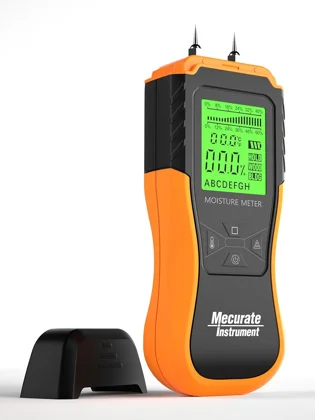
Compare with a dry baseline of the same material; readings indicate moisture, not its cause.