Commercial Door Won’t Latch: A Simple Alignment Checklist
A commercial door that closes but will not latch is often sagging slightly, rubbing, hitting a misaligned strike, or moving too slowly through the final inch. Use wear marks and door gaps to identify what shifted before filing or moving hardware.
Match the symptom before you touch anything
Good maintenance starts by describing what the system is actually doing. Use the pattern below to decide where to look first.
| What you see | What it points toward | First move |
|---|---|---|
| Latch hits low | Door sag/hinge wear | Inspect top hinge and reveal. |
| Latch hits high | Alignment issue | Check frame/hinges. |
| Bounces off frame | Latch speed/seal pressure | Inspect closer/seals. |
| Latch enters but won't hold | Worn latch/strike | Inspect hardware. |
| Changes with weather | Movement/swelling | Document seasonal pattern. |
Tools and preparation
What to bring
- Flashlight
- Screwdriver
- Marker
- Straightedge
- Correct hinge screws
Before you start
- Confirm the exact location and complaint.
- Photograph labels, settings, and error codes before changing anything.
- Know how to isolate water, power, or the affected area if needed.
- Follow site-specific PPE, lockout/tagout, ladder, roof, and access procedures.
Step-by-step
Close slowly and watch latch
See exactly where it contacts strike.
Check door reveal
Uneven gaps reveal sag or frame movement.
Inspect hinge screws
Loose top-hinge screws commonly cause sag.
Look for rub marks
Paint wear/shiny metal show contact points.
Verify strike is tight
A loose strike can shift.
Adjust only after cause is known
Minor strike/closer changes should follow diagnosis.
Test repeatedly
Verify from several opening angles.
Common mistakes
- Filing strike before checking sag
- Moving strike to chase loose hinges
- Using unknown long screws
- Ignoring loose latch case
- Calling it fixed after one closure
When to stop and hand it off
- Fire door still fails to latch
- Frame is cracked/moving
- Hinge bent/pulling away
- Access-control hardware malfunctioning
- Major alignment modification needed
Frequently asked questions
Why does top hinge matter?
Small top-hinge movement creates significant latch-edge sag.
Can I file the strike?
Only if permitted and after fixing sag/alignment first.
Why latch if I lift handle side?
That strongly suggests sagging or frame alignment.
Can closer cause latch problem?
Yes; final latch speed may be too low.
Related BuildingWrench guides
BuildingWrench provides general educational information for commercial-facility maintenance. Manufacturer instructions, applicable codes, site procedures, and required trade qualifications always take priority.
Tools that fit this task
Use what you already own first. These affiliate links may earn a commission at no extra cost to you. Confirm model and compatibility before buying.
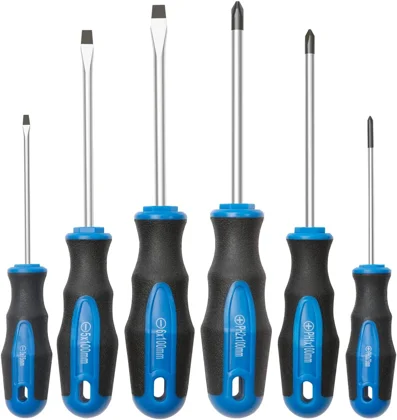
Use the bit that fully fits the fastener; use hand control for small adjustments.