What to Document Before Calling HVAC, Plumbing, or Electrical Service
A good service call starts with evidence: exact location, symptom, equipment identity, controller readings, error codes, timing, affected areas, and what changed recently. Five minutes of documentation can prevent repeat trips and reduce diagnostic time.
Match the symptom before you touch anything
Good maintenance starts by describing what the system is actually doing. Use the pattern below to decide where to look first.
| What you see | What it points toward | First move |
|---|---|---|
| Vendor asks basics you can't answer | Work order lacks context | Collect standard fields. |
| Repeat trips | History not captured | Attach prior repairs. |
| Wrong parts brought | Model/serial missing | Photograph data plate. |
| Intermittent fault disappears | Timing not documented | Record conditions. |
| Descriptions conflict | No standard observations | Use measurements. |
Tools and preparation
What to bring
- Phone/camera
- Thermometer when relevant
- Equipment tag list
- Work-order system
Before you start
- Confirm the exact location and complaint.
- Photograph labels, settings, and error codes before changing anything.
- Know how to isolate water, power, or the affected area if needed.
- Follow site-specific PPE, lockout/tagout, ladder, roof, and access procedures.
Step-by-step
Write exact location
Building, floor, room, tag, access notes.
Describe behavior, not your diagnosis
Measured facts beat guesses.
Record controller/setpoint
Photograph displays and alarms.
Capture model/serial
Only where safely accessible.
List affected/unaffected areas
Patterns define failure boundary.
Note recent changes
Power, weather, construction, repair, schedule.
Attach history
Prior service reports reduce repeated diagnosis.
Common mistakes
- Writing only 'not working'
- Diagnosing without evidence
- Clearing error codes first
- Ignoring access restrictions
- Keeping photos outside work-order history
When to stop and hand it off
- Gathering data requires unsafe access
- Energized equipment must be opened
- Life-safety emergency requires immediate response
Frequently asked questions
Most useful photo?
Usually the equipment data plate and active fault display.
Tell vendor what I think is wrong?
Share suspicions, but separate them from facts.
Why list unaffected areas?
It helps identify local versus shared-system problems.
How much detail?
Measurements, codes, patterns, timing, and recent changes matter most.
Related BuildingWrench guides
BuildingWrench provides general educational information for commercial-facility maintenance. Manufacturer instructions, applicable codes, site procedures, and required trade qualifications always take priority.
← Back to Preventive Maintenance
Tools that fit this task
Use what you already own first. These affiliate links may earn a commission at no extra cost to you. Confirm model and compatibility before buying.
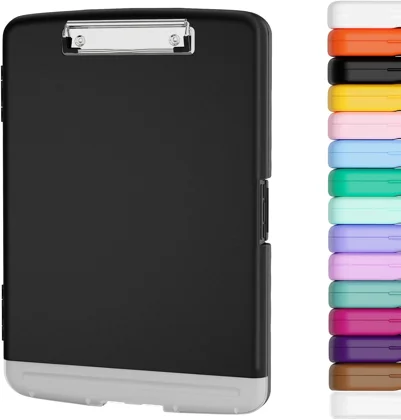
Record location, readings, defects, responsible person, and follow-up date.