Commercial Gutter Overflowing: Find the Blockage or Capacity Problem
Overflowing gutters usually come from debris, blocked downspouts, poor slope, undersized drainage, or roof water overshooting the gutter. Watch where the water actually goes.
Likely causes
Do not jump straight to the most expensive possibility. These are the common places to start:
- Debris in gutter
- Blocked downspout
- Sagging gutter
- Undersized drainage
- Roof valley overshoot
| Possible cause | How to check | Routine first move |
|---|---|---|
| Debris in gutter | Use safe access | Clean gutter and downspout |
| Blocked downspout | Remove visible debris | Repair sagging hangers |
| Sagging gutter | Check downspout openings | Extend discharge away from foundation |
| Undersized drainage | Test with modest water flow | Add splash/diverter solutions when appropriate |
| Roof valley overshoot | Inspect gutter slope and hangers | Clean gutter and downspout |
Tools and preparation
Bring these
- Maintenance gloves
- 5-gallon bucket
- Exact model manual and phone for documentation
Before touching anything
- Confirm the exact location and complaint.
- Photograph labels, settings, fault codes, and the original condition.
- Determine whether the failure affects one item or several nearby items.
- Know how to safely isolate the system if the task requires it.
Step-by-step checks
Use safe access
Inspect from the ground first; roof or ladder work requires approved access, weather, and fall protection rather than leaning over an edge.
Remove visible debris
Remove reachable loose leaves with gloves and a scoop; do not damage the gutter coating or force debris into the downspout.
Check downspout openings
Check the outlet and visible discharge end; distinguish a blocked elbow from a buried drainage problem.
Test with modest water flow
Use limited water only when downstream drainage and surrounding conditions are safe; stop if water backs up or enters the building.
Inspect gutter slope and hangers
Look for ponding, sagging, separated seams, and loose hangers. Repair the confirmed defect and verify flow at the outlet and behavior in the next rain.
Routine fixes that make sense here
- Clean gutter and downspout
- Repair sagging hangers
- Extend discharge away from foundation
- Add splash/diverter solutions when appropriate
Common mistakes
- Replacing parts before proving the failure.
- Changing several settings or components at once.
- Failing to photograph the original condition.
- Ignoring whether nearby equipment has the same symptom.
- Crossing into electrical, refrigerant, life-safety, structural, or plumbing work beyond training.
When to stop and hand it off
- Access is unsafe
- Downspout blockage is inaccessible
- Gutter is structurally loose
- Overflow is causing major building intrusion
Frequently asked questions
What should I check first?
Start by deciding whether the problem is local to one fixture or piece of equipment. Then begin with the simplest safe observation: use safe access.
What is the most common mistake?
Replacing parts before proving the failure. BuildingWrench recommends documenting the symptom, changing one thing at a time, and testing after each change.
When should maintenance stop?
Stop when the repair crosses your training or site-safety boundary. In this case, one clear handoff point is: access is unsafe.
What should I document?
Record the exact location, model or asset tag, what the equipment was doing, what you checked, what you changed, and whether the fix held through repeated testing.
Related BuildingWrench guides
BuildingWrench provides general educational information for commercial-facility maintenance. Manufacturer instructions, applicable codes, site procedures, and required trade qualifications always take priority.
Tools that fit this task
Use what you already own first. These affiliate links may earn a commission at no extra cost to you. Confirm model and compatibility before buying.

For reachable debris handling after safe access is arranged; not chemical, electrical, or rotating-cable protection.
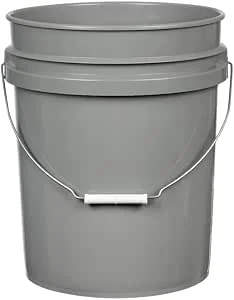
Contain a small, safe clean-water release; empty it before moving and keep exits clear.