Water Coming Under an Exterior Door: How to Find the Entry Path
Water at an exterior door can come through the threshold, failed sealant, door sweep, jambs, masonry joints, or exterior drainage that sends water toward the opening. Start outside and follow the path instead of immediately replacing weatherstripping.
Find the first wet point
| Symptom | Possible path | First check |
|---|---|---|
| Water at the center of the door bottom | Worn sweep, uneven gap or water ponding outside | Dry the accessible floor and distinguish water crossing the threshold from water emerging below it. |
| One jamb corner becomes wet first | Frame joint, threshold end or concealed wall path | Photograph that first wet point; inspect accessible joints above it. |
| Leak only with wind from one direction | Weather exposure reveals an entry path | Record door orientation, wind and rainfall before blaming the sweep. |
| Water ponds outside during heavy rain | Blocked drainage or runoff toward the opening | Observe drains, downspouts and slope; do not change paving or threshold height without assessment. |
| Sweep stays dry while water appears below the threshold | Possible underside joint, pan or concealed path | Arrange an installation/envelope assessment instead of adding surface caulk. |
Tools and preparation
What to bring
- Flashlight
- Camera
- Hose for controlled testing if allowed
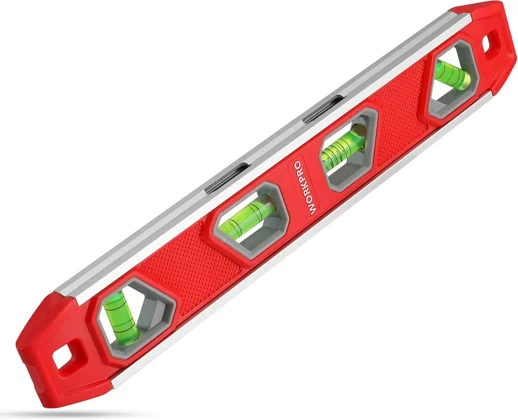
- Level
- Rags
Before you start
- Confirm the exact location and complaint.
- Record door location, orientation and the first wet point before drying or sealing.
- Know how to isolate water, power, or the affected area if needed.
- Follow site-specific PPE, lockout/tagout, ladder, roof, and access procedures.
Step-by-step
1. Protect the route and record the first wet point
Control slip hazards while keeping the exit usable. Dry accessible surfaces and photograph where water reappears. Note whether the event follows rain, cleaning or irrigation.
2. Follow water toward the door from outside
When access is safe, look for a downspout discharge, blocked surface drain or pond sending water toward the threshold. Remove only accessible surface debris within your duties. Stay out of storms and drainage structures.
3. Compare the sweep and threshold
With the door closed, observe uneven gaps and worn seals along the bottom and corners. Do not add layers that prevent normal closing, latching or opening. Match any replacement to the installed door instructions.
4. Inspect the frame-to-wall path
Look at accessible perimeter joints and threshold ends. A crack is a clue, not proof of the entry point. Keep designed drainage openings clear and do not dismantle the wall to chase water.
5. Keep any water test controlled
Only test when site procedures permit and added damage can be prevented. Have one person observe inside while another wets one small exterior zone, low to high, without a pressure jet. Record the zone and allow time to observe before moving. Stop when the leak appears or damage increases.
6. Verify the correction under comparable conditions
Correct only the confirmed cause within your authorization. Check the walking route and normal closing/latching afterward. Recheck during comparable rain; a dry floor just after cleanup does not establish a successful repair.
Common mistakes
- Replacing weatherstrip without checking drainage
- Hose-testing entire door at once
- Sealing over trapped water
- Ignoring frame perimeter
- Caulking intentional weeps
When to stop and hand it off
- Water enters wall assembly
- Significant frame corrosion/structural damage
- Accessibility/fire-rating affected
- Unsafe exterior access required
- Leak persists after routine corrections
Frequently asked questions
Will a new door sweep stop rain coming under the door?
It may help if water crosses a gap the sweep is designed to seal. It will not repair ponding, a failed joint beneath the threshold or water traveling down inside a frame.
Can I caulk the entire bottom edge?
Do not seal every opening. Some thresholds use drainage channels and weeps. Check the installed assembly’s instructions to distinguish a sealant joint from an opening that must drain.
Why is one corner wet when the sweep looks intact?
Water may travel through a jamb or wall joint before appearing on the floor. Record the first wet point and conditions. Concealed paths need assessment before removing finishes.
When should I stop testing?
Stop for nearby electrical hazards, concealed damage, significant corrosion, unsafe access or an exit door that no longer operates properly. Do not continue adding water once the leak is reproduced.
Related BuildingWrench guides
Record the result
Log the door/location, first wet point, rain and wind, exterior ponding, each test zone and its result, correction made and next comparable-weather check. Leave concealed damage open for specialist assessment.
If gaps are uneven, see door alignment checks. For a confirmed deteriorated joint, see exterior sealant inspection.
BuildingWrench provides general educational information for commercial-facility maintenance. Manufacturer instructions, applicable codes, site procedures, and required trade qualifications always take priority.
Tools that fit this task
Use what you already own first. These affiliate links may earn a commission at no extra cost to you. Confirm model and compatibility before buying.

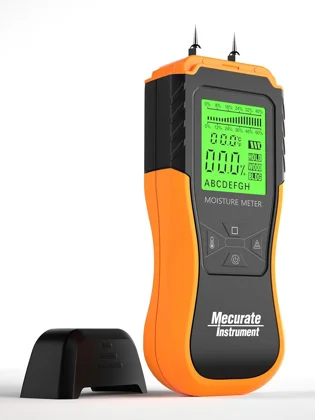
Compare with a dry baseline of the same material; readings indicate moisture, not its cause.