Commercial Door Rubbing the Frame: How to Find the Cause
A rubbing door usually means hinges loosened, the door sagged, the frame shifted, weatherstripping swelled, or floor clearance changed. Use rub marks and reveal gaps before adjusting hardware.
Likely causes
Do not jump straight to the most expensive possibility. These are the common places to start:
- Loose top hinge
- Worn hinge
- Frame movement
- Swollen weatherstripping
- Floor or threshold interference
| Possible cause | What to check | First action |
|---|---|---|
| Loose top hinge or hinge attachment | Watch for movement between the hinge leaf and the door or frame as the door operates. Check for loose, missing or damaged fasteners. Stop if the door appears insecure. | If trained and authorized, follow the hinge manufacturer’s instructions for tightening confirmed loose, undamaged fasteners with the door safely supported as required. Stop if a screw will not hold, the attachment is damaged or looseness returns. |
| Worn hinge | Look for visible wear or looseness at the hinge’s moving parts, especially when the hinge leaves remain securely attached. Note sagging or binding. | Arrange assessment for repair or compatible replacement. Follow the manufacturer’s requirements for the door’s weight, use and rating. |
| Frame movement or an out of square frame | Compare the gaps around the door. Check the frame for plumb, level, square and twist where this can be done safely. A rub mark alone does not prove frame movement. | Document the misalignment and arrange assessment by a qualified door/frame contractor. The correction depends on the frame and its anchoring system. |
| Deformed or displaced weatherstripping | Look for split, swollen, loose or displaced seals. Observe where they contact the door and whether they interfere with closing or latching. | Clean removable debris using the manufacturer’s method. Have damaged or displaced seals repositioned or replaced with the specified compatible product. Preserve required fire and smoke sealing. |
| Floor or threshold interference | Observe the bottom of the door through its swing. Identify whether the leaf, sweep or automatic door bottom contacts the floor or threshold. | Remove loose debris. If interference remains, have the floor, threshold or door-bottom condition corrected under the applicable product instructions. Do not assume the door needs trimming. |
Use this table to narrow the cause before making adjustments. If an exit door binds or a fire/smoke door will not close and latch as required, promptly notify the responsible facilities or fire-safety lead and follow the site’s impairment procedure. Do not bypass required hardware or remove required seals. Repairs must preserve the assembly’s listing, required egress operation and accessibility. Retest operation after work.
Tools and preparation
Bring these
- Screwdriver set
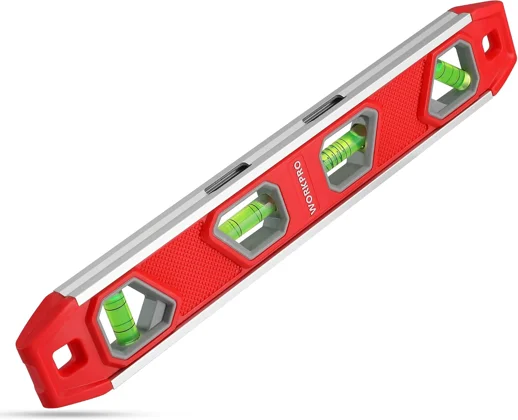
- 12-inch level
- Exact model manual and phone for documentation
Before touching anything
- Confirm the exact location and complaint.
- Photograph labels, settings, fault codes, and the original condition.
- Determine whether the failure affects one item or several nearby items.
- Know how to safely isolate the system if the task requires it.
Step-by-step checks
Open and close slowly
Move the door slowly from a safe position and note the exact angle at which contact begins; stop if the leaf could fall.
Inspect reveal gaps
Compare top and side gaps with the opposite edge; a tapered reveal helps locate hinge sag or frame movement.
Tighten loose hinge screws
With the leaf properly supported, snug accessible loose hinge screws to the specified setting; stripped holes need repair.
Look for shiny rub marks
Mark the contact location on a photo and distinguish paint rubbing from bent metal or swollen material; do not grind rated doors.
Check weatherstripping and threshold
Check displaced seals and thresholds. After correcting the cause, verify clearance through the full swing and reliable closure without increased closer force.
Routine fixes that make sense here
- Tighten hinge fasteners
- Replace worn hinges
- Adjust or replace dragging weatherstripping
- Make only small alignment changes
Common mistakes
- Replacing parts before proving the failure.
- Changing several settings or components at once.
- Failing to photograph the original condition.
- Ignoring whether nearby equipment has the same symptom.
- Crossing into electrical, refrigerant, life-safety, structural, or plumbing work beyond training.
When to stop and hand it off
- Fire-rated door will not close or latch
- Frame is cracked or shifted
- Hinge anchorage is damaged
- Major cutting or planing is required
Frequently asked questions
What should I check first?
Start by deciding whether the problem is local to one fixture or piece of equipment. Then begin with the simplest safe observation: open and close slowly.
What is the most common mistake?
Replacing parts before proving the failure. BuildingWrench recommends documenting the symptom, changing one thing at a time, and testing after each change.
When should maintenance stop?
Stop when the repair crosses your training or site-safety boundary. In this case, one clear handoff point is: fire-rated door will not close or latch.
What should I document?
Record the exact location, model or asset tag, what the equipment was doing, what you checked, what you changed, and whether the fix held through repeated testing.
Related BuildingWrench guides
BuildingWrench provides general educational information for commercial-facility maintenance. Manufacturer instructions, applicable codes, site procedures, and required trade qualifications always take priority.
Tools that fit this task
Use what you already own first. These affiliate links may earn a commission at no extra cost to you. Confirm model and compatibility before buying.
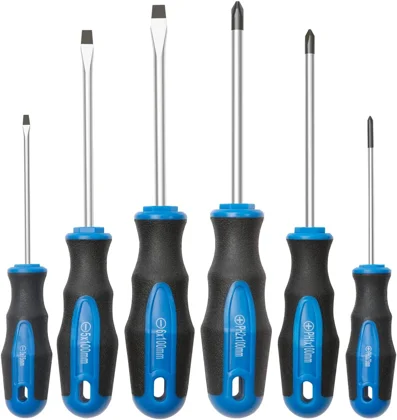
Use the bit that fully fits the fastener; use hand control for small adjustments.