How to Tighten a Commercial Door Handle
To tighten a loose commercial door handle, first identify what moves: the lever on its spindle, the rose against the door, or the whole lockset. Those symptoms point to different fasteners. A drooping or freely spinning lever may need parts rather than more tightening.
Check before adjusting: Operate both sides and watch the latch retract and the lever return. Keep the opening controlled during work. Use the correct hex key or screwdriver and the lock maker’s instructions for exposing trim fasteners.
Tighten sound mounting screws evenly. Stop if threads are stripped, the chassis binds, the latch stops retracting fully, or required exit/fire-door operation is affected.
Watch: the 40-second door-handle check
See what to check before tightening a loose commercial handle, then use the complete steps below.
Read the video transcript
A loose commercial door handle? First, find out what moves. Check the lever, the round rose, and the whole lockset. Test both sides and the latch. If the lever has a set screw, use the correct size hex key. Snug it by hand. Do not overtighten. If the base moves, follow the maker's trim instructions. Tighten sound mounting screws evenly. Cycle the handle. Check its return, full latch retraction, and secure latching. Stop for binding, stripped threads, or latch failure. Preserve fire door and exit operation. Read the complete guide at Building Wrench dot com.
Illustrative hardware. Follow the lock manufacturer’s instructions and preserve required fire-door and exit operation.
Match the symptom before you touch anything
| What you see | What it points toward | First move |
|---|---|---|
| Lever wobbles, latch works | Set screw/mounting loose | Tighten correct fastener. |
| Whole rose moves | Mounting screws loose | Access and snug chassis. |
| Lever droops | Spring/lockset wear | Repair or replace. |
| Handle spins | Hub failure | Repair/replace lockset. |
| Keeps loosening | Worn fastener/threads | Inspect root cause. |
Tools and preparation
What to bring
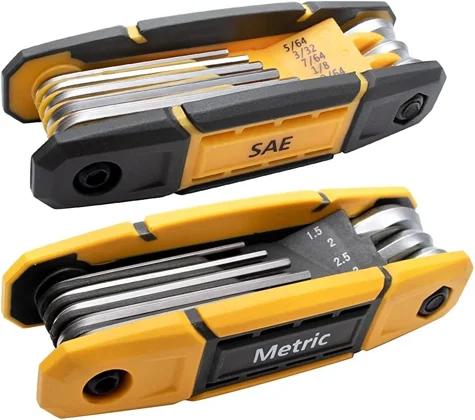
- Allen-key set
- Phillips/flat screwdrivers
- Flashlight
- Manufacturer-approved thread locker only if specified
Before you start
- Confirm the exact location and complaint.
- Photograph labels, settings, and error codes before changing anything.
- Know how to isolate water, power, or the affected area if needed.
- Follow site-specific PPE, lockout/tagout, ladder, roof, and access procedures.
Set screw, detent or through-bolts?
A small screw at the lever neck may secure the lever. Other models use a spring detent, and the actual mounting screws sit behind removable trim or on the opposite side. Forcing a detent or prying a rose without identifying its release can damage a serviceable lock.
If the entire rose moves, inspect the mounting arrangement rather than repeatedly tightening the lever screw. If the handle becomes stiff as screws are tightened, recheck alignment and the installation instructions; more torque is not the answer.
A latch rubbing its strike makes people force the handle. Continue with door-latch alignment checks or door rubbing the frame when the movement starts at the door itself.
Step-by-step
Identify lockset type
Look for set screw, detent, rose, or through-bolts.
Test latch first
Note return and retraction before adjustment.
Tighten lever attachment
Use correct Allen key/screwdriver.
Check rose/chassis
Snug mounting hardware evenly.
Verify alignment
Binding latch makes users force the lever.
Cycle repeatedly
Operate both sides and confirm free return.
Document recurrence
Frequent loosening usually means worn parts.
Common mistakes
- Overtightening set screws
- Wrong Allen size
- Ignoring binding latch
- Using thread locker everywhere
- Binding chassis by uneven tightening
When to stop and hand it off
- Fire-rated hardware damaged
- Security function no longer works
- Threads stripped
- Electronic lock involved
- Internal spring/hub broken
Frequently asked questions
Why keep loosening?
User force, binding, worn threads, or missing locking features.
Use thread locker?
Only if manufacturer permits it.
Why stiff after tightening?
Chassis may be uneven or overtightened.
Need whole new lock?
Not for a loose fastener; internal failures are different.
Related BuildingWrench guides
What to document
Record door ID, lockset brand/model, the part that moved, fastener condition and any recurring looseness. Verify full latch retraction from both sides, free lever return, security operation and required egress before reopening.
Download the free equipment service history (PDF). Enter the door ID in the Asset ID field, then record the work performed, fastener condition and any recurring looseness in the service-history entry.
BuildingWrench provides general educational information for commercial-facility maintenance. Manufacturer instructions, applicable codes, site procedures, and required trade qualifications always take priority.
Tools that fit this task
Use what you already own first. These affiliate links may earn a commission at no extra cost to you. Confirm model and compatibility before buying.
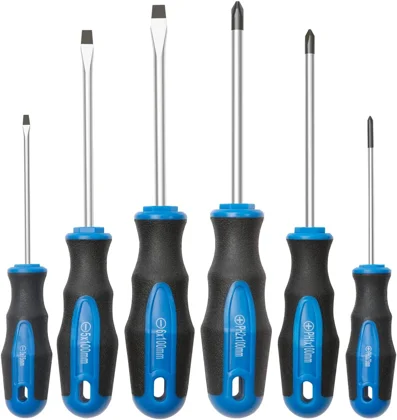
Use the bit that fully fits the fastener; use hand control for small adjustments.