Commercial Water Heater Monthly Inspection Checklist
A monthly water-heater inspection should focus on leaks, temperatures, relief-valve discharge evidence, recirculation condition, unusual sounds, and housekeeping without casually operating safety devices.
Likely causes
Do not jump straight to the most expensive possibility. These are the common places to start:
- Slow piping leak
- Tank leak
- Mixing issue
- Relief-valve discharge
- Recirculation problem
| Possible cause | How to check | Routine first move |
|---|---|---|
| Slow piping leak | Inspect floor and connections | Repair small accessible leaks |
| Tank leak | Check displayed temperatures if authorized | Escalate tank or relief-valve issues |
| Mixing issue | Measure representative outlet temperature | Correct temperature control through proper service |
| Relief-valve discharge | Inspect relief discharge piping visually | Document trends |
| Recirculation problem | Check recirculation pump status | Repair small accessible leaks |
Tools and preparation
Bring these
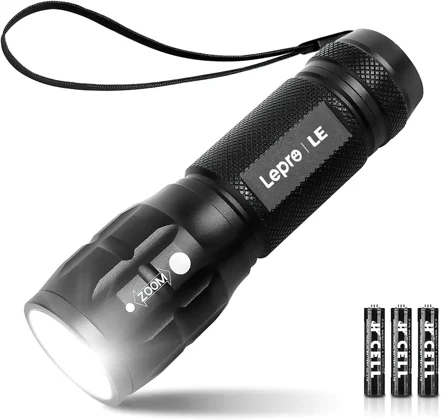
- Flashlight
- Clipboard
- Exact model manual and phone for documentation
- Water-temperature probe
Before touching anything
- Confirm the exact location and complaint.
- Photograph labels, settings, fault codes, and the original condition.
- Determine whether the failure affects one item or several nearby items.
- Know how to safely isolate the system if the task requires it.
Step-by-step checks
Inspect floor and connections
From safe access, inspect the floor and visible connections for leaks or corrosion; do not touch hot piping or combustion components.
Check displayed temperatures if authorized
Record the normal operator display and alarms without changing setpoints; compare with the building's approved water-management plan.
Measure representative outlet temperature
A trained person should use an appropriate water-temperature probe under the site's procedure, keeping clear of the hot stream; compare representative outlets.
Inspect relief discharge piping visually
Visually check relief discharge routing for blockage, capping, leaks, or unsafe termination; do not plug it or operate the relief valve as an improvised routine test.
Check recirculation pump status
Read accessible recirculation status and report abnormal noise, leakage, or lost flow indications. Assign defects and confirm corrective service without bypassing temperature or pressure protection.
Routine fixes that make sense here
- Repair small accessible leaks
- Escalate tank or relief-valve issues
- Correct temperature control through proper service
- Document trends
Common mistakes
- Replacing parts before proving the failure.
- Changing several settings or components at once.
- Failing to photograph the original condition.
- Ignoring whether nearby equipment has the same symptom.
- Crossing into electrical, refrigerant, life-safety, structural, or plumbing work beyond training.
When to stop and hand it off
- Relief valve is discharging
- Gas or combustion issue is suspected
- Tank is leaking
- Scalding temperatures are present
Frequently asked questions
What should I check first?
Start by deciding whether the problem is local to one fixture or piece of equipment. Then begin with the simplest safe observation: inspect floor and connections.
What is the most common mistake?
Replacing parts before proving the failure. BuildingWrench recommends documenting the symptom, changing one thing at a time, and testing after each change.
When should maintenance stop?
Stop when the repair crosses your training or site-safety boundary. In this case, one clear handoff point is: relief valve is discharging.
What should I document?
Record the exact location, model or asset tag, what the equipment was doing, what you checked, what you changed, and whether the fix held through repeated testing.
Related BuildingWrench guides
BuildingWrench provides general educational information for commercial-facility maintenance. Manufacturer instructions, applicable codes, site procedures, and required trade qualifications always take priority.
← Back to Preventive Maintenance
Tools that fit this task
Use what you already own first. These affiliate links may earn a commission at no extra cost to you. Confirm model and compatibility before buying.

Record location, readings, defects, responsible person, and follow-up date.