Panic Bar Sticking: Routine Checks Before You Replace Hardware
A panic bar that sticks or does not fully retract can be caused by door sag, dirty latch areas, loose trim, misaligned strikes, or worn hardware. Because panic hardware is life-safety equipment, routine checks should stay conservative and the door must always release freely from the egress side.
Match the symptom before you touch anything
Good maintenance starts by describing what the system is actually doing. Use the pattern below to decide where to look first.
| What you see | What it points toward | First move |
|---|---|---|
| Bar hard to push | Binding or pressure | Check alignment and latch contact. |
| Bar stays depressed | Return problem/binding | Clean/inspect; escalate if unreliable. |
| Door opens only with force | Strike or pressure | Observe latch contact. |
| Latch won't retract fully | Wear/debris | Inspect accessible area. |
| Loose trim | Fasteners loose | Tighten accessible hardware. |
Tools and preparation
What to bring
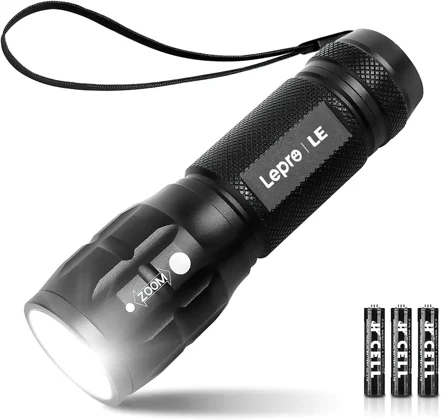
- Flashlight
- Screwdriver
- Vacuum/brush
- Manufacturer-approved lubricant if specified
Before you start
- Confirm the exact location and complaint.
- Photograph labels, settings, and error codes before changing anything.
- Know how to isolate water, power, or the affected area if needed.
- Follow site-specific PPE, lockout/tagout, ladder, roof, and access procedures.
Step-by-step
Test from egress side
The device should release with normal force.
Check door alignment
Sagging or shifted strike can mimic device failure.
Remove accessible debris
Vacuum around latch points and rods.
Tighten obvious exterior screws
Avoid internal disassembly without training.
Observe latch retraction
Watch whether latches retract and return fully.
Check building pressure
A pressurized door can feel like hardware failure.
Escalate unreliable release
Life-safety egress must remain dependable.
Common mistakes
- Spraying random oil inside
- Adjusting strike to mask sag
- Leaving unreliable egress in service
- Disassembling without model instructions
- Improperly dogging fire-rated hardware
When to stop and hand it off
- Door does not reliably release
- Fire-rated opening won't latch
- Vertical rods bent/misaligned
- Internal parts broken
- Electrified access control involved
Frequently asked questions
Is sticky panic hardware just a nuisance?
No; it is part of the egress system.
Can I lubricate it?
Only as the manufacturer specifies.
Why work open but not closed?
That points toward alignment, strike, rod, or pressure.
Should I adjust the strike?
Only after confirming door alignment.
Related BuildingWrench guides
BuildingWrench provides general educational information for commercial-facility maintenance. Manufacturer instructions, applicable codes, site procedures, and required trade qualifications always take priority.
Tools that fit this task
Use what you already own first. These affiliate links may earn a commission at no extra cost to you. Confirm model and compatibility before buying.
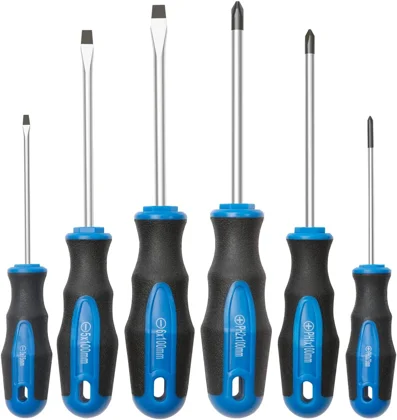
Use the bit that fully fits the fastener; use hand control for small adjustments.