Commercial Door Sweep Dragging: How to Adjust or Replace It
A sweep that drags too hard can stop a closer from latching and make the door difficult to use. Adjust height or replace the sweep instead of increasing closer force.
Likely causes
Do not jump straight to the most expensive possibility. These are the common places to start:
- Sweep mounted too low
- Door sag
- Uneven threshold
- Torn sweep
- Wrong sweep profile
| Possible cause | How to check | Routine first move |
|---|---|---|
| Sweep mounted too low | Inspect where the sweep contacts | Reposition adjustable sweep |
| Door sag | Check door alignment | Replace damaged sweep |
| Uneven threshold | Look for torn sections | Correct door sag first |
| Torn sweep | Check threshold height | Set light even contact |
| Wrong sweep profile | Note daylight under the door | Reposition adjustable sweep |
Tools and preparation
Bring these
- Screwdriver set
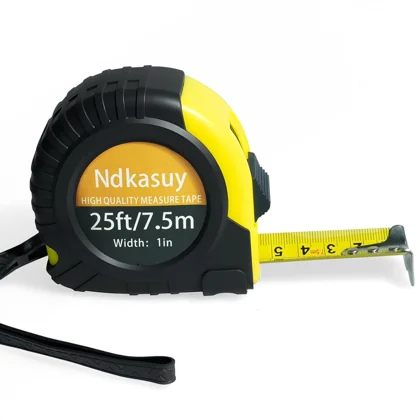
- Tape measure
- Exact model manual and phone for documentation
Before touching anything
- Confirm the exact location and complaint.
- Photograph labels, settings, fault codes, and the original condition.
- Determine whether the failure affects one item or several nearby items.
- Know how to safely isolate the system if the task requires it.
Step-by-step checks
Inspect where the sweep contacts
Observe where the sweep folds or catches through a slow cycle; mark the affected section rather than raising the entire sweep immediately.
Check door alignment
Check hinge sag and uneven bottom clearance; adjusting the sweep will not correct a dropped door.
Look for torn sections
Inspect for torn rubber, bent carriers, or loose fasteners; match replacement material and profile to the existing door.
Check threshold height
Check threshold movement and recent flooring changes; use the specified adjustment range without opening a weather or smoke gap.
Note daylight under the door
Check the final seal with the door closed and test opening effort and latching; rated doors require approved compatible seals and maintained clearances.
Routine fixes that make sense here
- Reposition adjustable sweep
- Replace damaged sweep
- Correct door sag first
- Set light even contact
Common mistakes
- Replacing parts before proving the failure.
- Changing several settings or components at once.
- Failing to photograph the original condition.
- Ignoring whether nearby equipment has the same symptom.
- Crossing into electrical, refrigerant, life-safety, structural, or plumbing work beyond training.
When to stop and hand it off
- Fire-rated assembly requirements are uncertain
- Threshold or floor is damaged
- Door cannot meet accessibility force requirements
Frequently asked questions
What should I check first?
Start by deciding whether the problem is local to one fixture or piece of equipment. Then begin with the simplest safe observation: inspect where the sweep contacts.
What is the most common mistake?
Replacing parts before proving the failure. BuildingWrench recommends documenting the symptom, changing one thing at a time, and testing after each change.
When should maintenance stop?
Stop when the repair crosses your training or site-safety boundary. In this case, one clear handoff point is: fire-rated assembly requirements are uncertain.
What should I document?
Record the exact location, model or asset tag, what the equipment was doing, what you checked, what you changed, and whether the fix held through repeated testing.
Related BuildingWrench guides
BuildingWrench provides general educational information for commercial-facility maintenance. Manufacturer instructions, applicable codes, site procedures, and required trade qualifications always take priority.
Tools that fit this task
Use what you already own first. These affiliate links may earn a commission at no extra cost to you. Confirm model and compatibility before buying.
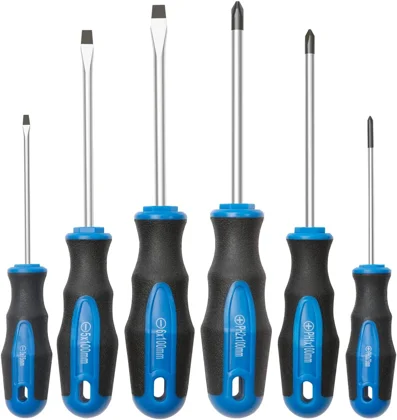
Use the bit that fully fits the fastener; use hand control for small adjustments.