Building Maintenance Schedule: Create a PM Calendar
Calendar-based maintenance schedules a task at a planned time interval. A useful building maintenance schedule also tells the technician which asset to visit, what to do, what acceptable condition means and how to record a defect.
Start with critical assets and required work. Gather manufacturer instructions, required inspection/service intervals and existing failure history. Give each task a named owner, due date, access plan and realistic time allowance.
A calendar is only one trigger. Running hours, filter condition, weather and repeated failures can justify additional checks. Do not lengthen mandatory intervals or replace specialist inspections with a general walkthrough.
Why maintenance schedules fail
| What you see | What it points toward | First move |
|---|---|---|
| PMs constantly overdue | Too many tasks/no ownership | Reduce scope and assign clearly. |
| Same failures repeat | PM misses real failure modes | Revise using history. |
| Technicians skip instructions | Tasks vague/too long | Write short actionable procedures. |
| No one knows what was done | No completion record | Require notes/photos. |
| Calendar unused | System too complicated | Simplify workflow. |
Tools and preparation
What to bring
- Asset list
- Calendar/work-order software
- Manufacturer manuals
- Floor plans/equipment tags
Before you start
- Confirm the exact location and complaint.
- Photograph labels, settings, and error codes before changing anything.
- Know how to isolate water, power, or the affected area if needed.
- Follow site-specific PPE, lockout/tagout, ladder, roof, and access procedures.
Turn a calendar entry into executable work
Weak entry: “Mechanical room PM.” Better entry: “Walk mechanical room A in asset-tag order; record visible readings with units and operating mode; photograph new leaks; open and assign each defect.” The interval comes from the site’s approved program, not this example.
| Field | What belongs in it |
|---|---|
| Asset and task | Exact location/tag and a specific observable action. |
| Interval and basis | Manufacturer, required service, run hours or documented site experience. |
| Owner and access | Named responsible person, contractor needs and shutdown/access window. |
| Completion evidence | Readings, condition, photos and separate corrective work orders. |
Build the first route from the mechanical-room checklist and commercial door-closer inspection. Keep serious inspection deficiencies visible until their required closure is documented.
Step-by-step
List critical assets first
Focus on systems whose failure disrupts operations.
Gather manufacturer maintenance
Use manuals/warranty requirements as baseline.
Add building-specific history
Recurring drains, doors, and seasonal failures belong in PM.
Assign practical frequencies
Daily, monthly, quarterly, semiannual, annual, seasonal.
Write each PM as an action
Use specific tasks rather than vague 'PM' labels.
Assign one owner
A task owned by 'maintenance' is often owned by nobody.
Review quarterly
Adjust intervals based on condition and failure history.
Common mistakes
- Trying to perfect system before use
- Copying generic frequencies blindly
- Vague work orders
- Scheduling work nobody can safely perform
- Never revising intervals
When to stop and hand it off
- Regulated inspections are being replaced by informal PM
- Manufacturer/warranty requirements unclear
- Life-safety testing requires certified providers
- Staffing cannot safely support workload
Frequently asked questions
How many PMs to start?
Start with the systems and failures that matter most.
Can frequency change?
Yes, based on evidence while respecting mandatory intervals.
Need expensive software?
No; recurring assigned tasks with completion records matter most.
What belongs in PM instruction?
Location, asset, action, tools, safety, pass/fail, documentation.
Related BuildingWrench guides
What to document
Record the schedule version, interval basis, assigned owners and required contractors. At review, compare overdue work, repeat failures, time required and unresolved defects; record why any nonmandatory interval changes.
Asset-linked service notes help the next visit start with the last finding. Learn about BuildingWrench Pro, currently being prepared for launch.
BuildingWrench provides general educational information for commercial-facility maintenance. Manufacturer instructions, applicable codes, site procedures, and required trade qualifications always take priority.
← Back to Preventive Maintenance
Tools that fit this task
Use what you already own first. These affiliate links may earn a commission at no extra cost to you. Confirm model and compatibility before buying.
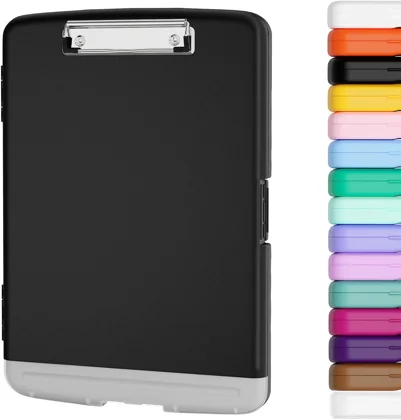
Record location, readings, defects, responsible person, and follow-up date.