Supply Diffuser Sweating: Why It Happens and What Maintenance Can Check
A sweating supply diffuser usually means the diffuser or nearby duct surface is below the room's dew point. High indoor humidity, missing duct insulation, air leakage around the boot, low supply temperature, or poor airflow can all contribute.
Match the symptom before you touch anything
Good maintenance starts by describing what the system is actually doing. Use the pattern below to decide where to look first.
| What you see | What it points toward | First move |
|---|---|---|
| Beads on diffuser face | Surface below dew point | Measure room humidity/supply temp. |
| Tile wet around diffuser | Condensation above ceiling | Inspect boot insulation. |
| Only humid days | Dew-point issue | Check room RH. |
| One diffuser only | Local insulation/air leak | Inspect boot/duct. |
| Many diffusers | Building humidity/system issue | Investigate dehumidification. |
Tools and preparation
What to bring
- Thermometer
- Humidity meter
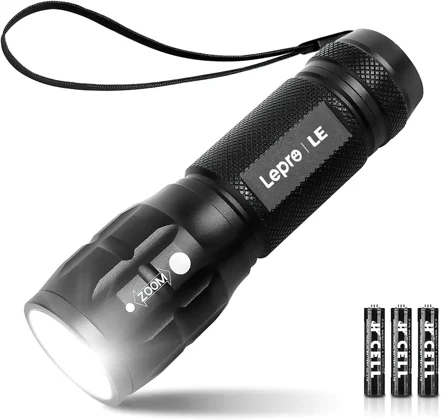
- Flashlight
- Camera
Before you start
- Confirm the exact location and complaint.
- Photograph labels, settings, and error codes before changing anything.
- Know how to isolate water, power, or the affected area if needed.
- Follow site-specific PPE, lockout/tagout, ladder, roof, and access procedures.
Step-by-step
Measure room temp/humidity
High RH raises dew point.
Measure supply-air temp
Cold air can cool metal below dew point.
Inspect above ceiling
Look for missing/damaged insulation.
Look for air leakage around boot
Humid plenum air can contact cold surfaces.
Check airflow
Low airflow can worsen cold surfaces.
Compare other diffusers
One suggests local; many suggests systemic.
Correct cause then replace tile
Do not keep replacing damaged finishes first.
Common mistakes
- Calling every drip a roof leak
- Wrapping wet insulation
- Ignoring humidity
- Lowering thermostat further
- Blocking diffuser
When to stop and hand it off
- Widespread humidity persists
- Large insulation repair needed
- Mold suspected
- Water affects electrical devices
- System diagnosis beyond routine checks
Frequently asked questions
What is dew point?
The temperature at which air begins condensing moisture on colder surfaces.
Why in summer?
Warm humid air plus cold supply surfaces creates condensation risk.
Can low airflow worsen it?
Yes; it can contribute to colder local surfaces and signal HVAC trouble.
Insulate diffuser face?
Usually fix humidity, air leaks, and duct/boot insulation instead.
Related BuildingWrench guides
BuildingWrench provides general educational information for commercial-facility maintenance. Manufacturer instructions, applicable codes, site procedures, and required trade qualifications always take priority.
Tools that fit this task
Use what you already own first. These affiliate links may earn a commission at no extra cost to you. Confirm model and compatibility before buying.
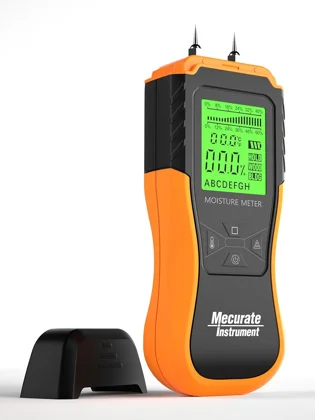
Compare with a dry baseline of the same material; readings indicate moisture, not its cause.