AC Float Switch Tripped? Find the Drainage Fault
A tripped AC float switch often means condensate is backing up in a drain, pan or pump reservoir. The switch protects against overflow; resetting or holding it down without correcting the water problem leaves the building exposed.
Locate the water and the actual switch. Stop additional condensate production through normal controls if overflow is possible. Check whether water is in the primary drain fitting, secondary pan or pump reservoir.
Do not jumper, tape or force the float closed. A dry-looking pan does not prove the switch’s drain fitting is dry, and a dry switch with a continuing shutdown may require control diagnosis.
Match the symptom before you touch anything
| What you see | What it points toward | First move |
|---|---|---|
| Unit suddenly stops cooling | Float may have opened control circuit | Inspect drain and switch. |
| Water visible in pan | Blocked drain/pump issue | Correct drainage first. |
| Trips repeatedly | Recurring drain/install issue | Find root cause. |
| No water but still open | Stuck switch or trapped water | Inspect mechanism. |
| Pump full | Pump/discharge issue | Verify discharge operation. |
Tools and preparation
What to bring
- Flashlight
- Wet/dry vacuum
- Bucket
- Rags
- Drain brush
Before you start
- Confirm the exact location and complaint.
- Photograph labels, settings, and error codes before changing anything.
- Know how to isolate water, power, or the affected area if needed.
- Follow site-specific PPE, lockout/tagout, ladder, roof, and access procedures.
Use the water location to choose the next check
A wet secondary pan means water escaped the normal collection/drain path. An inline safety can trip because water is trapped in its fitting even while the visible pan looks dry. A full pump reservoir points toward pump evacuation or discharge.
Follow the condensate drain guide for an upstream restriction and the pump test guide for a full reservoir. If the complaint is a ductless unit, use mini-split drainage checks only if that equipment matches the installation.
After correcting the cause and restoring the assembly, restart as the manufacturer permits. Observe an actual cooling/drainage cycle. Confirm no accumulating water, no leakage and normal safety operation; merely seeing the thermostat light up is not a completed test.
Step-by-step
Find the float switch
Common places are pans, drain tees, and condensate pumps.
Look for water first
Treat the drainage problem before the switch.
Turn equipment off if overflow is possible
Stop additional condensate production.
Clear drain or pump issue
Clean accessible line/trap or verify pump evacuation.
Remove standing water
Dry pan and confirm water is not accumulating.
Allow switch to return
Do not tape, jumper, or hold it closed.
Restart and watch a full cycle
Confirm condensate drains and switch remains normal.
Common mistakes
- Jumpering safety
- Resetting without clearing drain
- Assuming switch itself failed
- Ignoring full pan
- Leaving wet ceiling materials
When to stop and hand it off
- Water contacts electrical parts
- Pump electrical diagnosis is needed
- Switch will not reset after drain is corrected
- Blockage is inaccessible
- Trips continue after routine cleaning
Frequently asked questions
Why is the switch still tripped when the pan looks dry?
Water may remain inside a drain fitting, the float may be obstructed or a separate control issue may exist. Verify the actual switch location and manual.
Can I bypass it until service arrives?
No. Use the site’s equipment-outage plan while the drainage or safety fault is corrected.
What confirms restoration?
A permitted restart with normal drainage, no accumulating water or leaks and a verified safety response under the model-specific procedure.
Related BuildingWrench guides
What to document
Record switch location/model, where water was found, pan/reservoir condition, obstruction or pump finding, corrective action and the observed drainage cycle. Record recurring trips for follow-up rather than repeatedly clearing the symptom.
BuildingWrench provides general educational information for commercial-facility maintenance. Manufacturer instructions, applicable codes, site procedures, and required trade qualifications always take priority.
Tools that fit this task
Use what you already own first. These affiliate links may earn a commission at no extra cost to you. Confirm model and compatibility before buying.
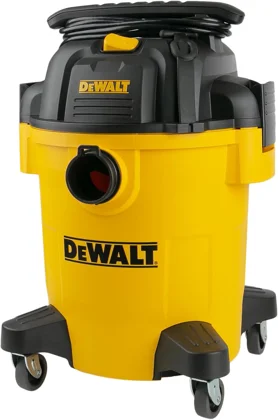
For approved clean-water condensate work with safe power and wet-pickup setup; not sewage cleanup.
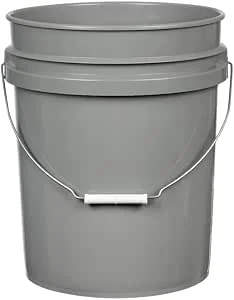
Contain a small, safe clean-water release; empty it before moving and keep exits clear.

Dry accessible surfaces so fresh leakage is easier to identify; not for hazardous spill cleanup.