HVAC Condensate Drain Clogged? How to Clear a Routine Blockage
A clogged condensate drain can shut cooling down, overflow a pan, stain ceilings, and trip a float switch. Accessible drains can often be cleared with safe mechanical cleaning, flushing, or a wet/dry vacuum while leaving the safety devices intact.
A clogged condensate drain can stop cooling, trip a float switch, overflow a pan, or stain a ceiling. If the drain and cleanout are safely accessible, remove buildup and verify that water flows freely before putting the unit back in service.
Match the symptom before you touch anything
Good maintenance starts by describing what the system is actually doing. Use the pattern below to decide where to look first.
| What you see | What it points toward | First move |
|---|---|---|
| Water in auxiliary pan | Primary drain blocked | Clear primary line and inspect switch. |
| Cooling stopped, float up | Drainage issue | Correct drainage; do not bypass switch. |
| Ceiling stain below unit | Condensate leak possible | Inspect pan/trap/insulation. |
| Drain gurgles | Partial restriction | Inspect trap and line. |
| Recurring slime | PM interval/design issue | Increase inspection and cleaning. |
Tools and preparation
What to bring
- Wet/dry vacuum
- Rags
- Bucket
- Small drain brush
- Gloves
Before you start
- Confirm the exact location and complaint.
- Photograph labels, settings, and error codes before changing anything.
- Know how to isolate water, power, or the affected area if needed.
- Follow site-specific PPE, lockout/tagout, ladder, roof, and access procedures.
Step-by-step
Turn unit off if overflowing
Prevent more condensate while working.
Inspect pan and float
Note standing water and safety position.
Find trap and cleanout
Know the flow path before disconnecting.
Remove accessible debris
Clean slime from pan and openings.
Clear the line
Use wet/dry vacuum or manufacturer-approved flushing.
Refill trap if required
Some systems need water in the trap to drain correctly.
Run and observe
Confirm water flows and float returns normally.
Common mistakes
- Bypassing float switch
- Using harsh chemicals blindly
- Forgetting to refill trap
- Pulling debris toward equipment
- Assuming every ceiling leak is roof-related
Field diagnosis: where is the blockage?
A full pan does not automatically mean the entire drain line is clogged. Check the trap, cleanout, first horizontal section, condensate pump if present, and termination. If a wet/dry vacuum at the termination immediately restores flow, document what came out and shorten the PM interval.
When to stop and hand it off
- Water is near electrical components
- Drain is concealed/inaccessible
- Clog returns repeatedly
- Termination is unsafe to access
- Drain slope/install problem is suspected
Frequently asked questions
Can a drain clog stop cooling?
Yes; many units use condensate safeties to prevent overflow.
Can I use bleach?
Do not assume; chemical compatibility varies.
Why every summer?
Warm wet drains support biological growth.
Why refill trap?
A dry trap can interfere with drainage on some equipment.
Related BuildingWrench guides
BuildingWrench provides general educational information for commercial-facility maintenance. Manufacturer instructions, applicable codes, site procedures, and required trade qualifications always take priority.
Tools that fit this task
Use what you already own first. These affiliate links may earn a commission at no extra cost to you. Confirm model and compatibility before buying.
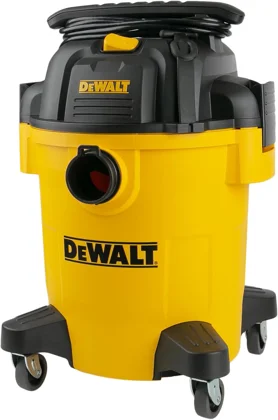
For approved clean-water condensate work with safe power and wet-pickup setup; not sewage cleanup.
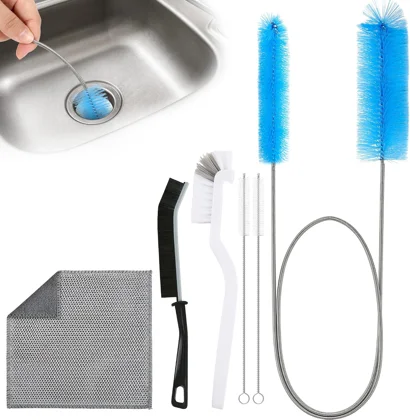
Clean only accessible, compatible drain surfaces; do not push debris into unknown piping.
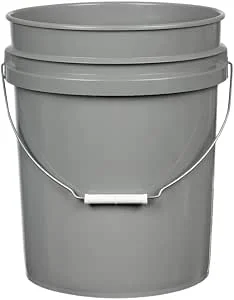
Contain a small, safe clean-water release; empty it before moving and keep exits clear.