Condensate Pump Not Working? Test & Reset Checks
A condensate pump that is not working may have lost power, a stuck float, a blocked discharge or a failed pump. A full reservoir with no pumping is different from a running pump that cannot move water.
Prevent overflow first: Stop the condensate-producing equipment through its normal controls if the reservoir or pan is full. Stay clear of wet electrical parts.
Observe reservoir level, external power indications and visible tubing without opening electrical covers. Before tank or float service, isolate every power source required by the manual; a safety/interlock circuit may remain energized after the pump plug is removed.
Likely causes
- Lost power
- Stuck float
- Dirty reservoir
- Blocked discharge tube
- Failed pump motor
| What you observe | What it may mean | Next check |
|---|---|---|
| Reservoir full; pump is silent | Power, float/control or motor fault | Stop condensate production; use external observations before isolated service. |
| Pump runs; water level does not fall | Kink, blockage, check valve or pump fault | Stop the test before overflow; inspect the permitted discharge path. |
| Water quickly returns after pumping | Drain-back or check-valve issue is possible | Record the return flow and consult the model’s valve/routing instructions. |
| Reservoir empty; unit still shut down | Upstream pan, separate safety or control issue | Locate the actual tripped safety; do not bypass it. |
Tools and preparation
Bring these
- 5-gallon bucket
- Shop towels
- Flashlight
- Exact model manual and phone for documentation
Before touching anything
- Confirm the exact location and complaint.
- Photograph labels, settings, fault codes, and the original condition.
- Determine whether the failure affects one item or several nearby items.
- Know how to safely isolate the system if the task requires it.
How to test a condensate pump safely
Use the installed model’s test procedure after the tank, cover, tubing and electrical protection are restored. If the manual permits adding clean water through its fill opening, add it gradually while watching the level. Do not overfill or reach into an energized reservoir.
Observe four results: the pump starts at its specified level, water exits through the intended discharge, the level falls and the pump stops. Check for leaks and immediate drain-back. A motor sound without falling water points toward the discharge path or pumping mechanism, not a successful test.
How to reset a condensate pump
There is no universal reset button or sequence. Some pumps operate automatically from a float; other assemblies have model-specific protection or controls. Identify the model, correct the high-water or power problem and follow its restart instructions. Repeated power cycling or bypassing the safety can conceal the original failure.
A full pump can trip the HVAC high-water safety. If condensate never reaches the pump, examine the upstream drain path.
Step-by-step checks
Turn cooling off if overflow is possible
Stop the condensate-producing equipment through normal controls if the reservoir is full; protect the area and keep clear of wet electrical parts.
Verify external power
From a dry position, inspect the plug and normal power indicator; do not open electrical covers or repeatedly reset protection.
Unplug and clean the reservoir
Isolate all pump and interlock power as the manual requires before removing the tank; a separate safety circuit may remain live after unplugging.
Inspect float movement
Remove permitted reservoir deposits and confirm the float moves freely without bending it; replace a damaged float assembly with the specified part.
Check discharge tubing for kinks or blockage
Inspect the outlet hose and check valve for the model's permitted service points. Reassemble and perform a measured-water test per the manual, checking pump start, discharge, stop, leaks, and safety function.
Routine fixes that make sense here
- Clean the reservoir
- Clear or replace blocked discharge tubing
- Restore power
- Replace the pump if motor or float has failed
When to stop and hand it off
- Power wiring is damaged
- Pump is hardwired
- Water has reached electrical components
- Discharge routing is inaccessible
Frequently asked questions
Can I pour water in to test it?
Only through the model’s permitted opening with the unit fully reassembled and safe to operate. Add gradually, stop before overflow and follow the exact manual.
Where is the reset button?
It depends on the model; some pumps have no manual reset. Identify the control arrangement before assuming a button exists.
Does a running motor prove the pump works?
No. Confirm actual discharge, falling reservoir level, automatic shutoff and no leaks or abnormal drain-back.
Related BuildingWrench guides
What to document
Record pump model, reservoir level, power indication, float condition when safely isolated, discharge routing and the test’s start/discharge/stop results. Document drain-back, leaks and the authorized safety-function check separately.
BuildingWrench provides general educational information for commercial-facility maintenance. Manufacturer instructions, applicable codes, site procedures, and required trade qualifications always take priority.
Tools that fit this task
Use what you already own first. These affiliate links may earn a commission at no extra cost to you. Confirm model and compatibility before buying.
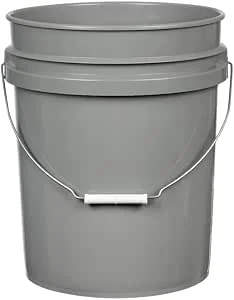
Contain a small, safe clean-water release; empty it before moving and keep exits clear.

Dry accessible surfaces so fresh leakage is easier to identify; not for hazardous spill cleanup.