Thermostat Says Cooling but Nothing Happens? Commercial HVAC Checks
When a thermostat shows a cooling call but the room is still warm, divide the problem into controls, airflow, and equipment response. Entry-level maintenance can safely verify schedules, setpoints, fan operation, filters, condensate safeties, and obvious alarms before escalating.
If the thermostat shows a cooling call but the equipment does nothing, separate the problem into controls, airflow, and equipment response. Verify the schedule and setpoint first, then look for obvious safeties, alarms, airflow restrictions, or a unit that is not responding.
Match the symptom before you touch anything
Good maintenance starts by describing what the system is actually doing. Use the pattern below to decide where to look first.
| What you see | What it points toward | First move |
|---|---|---|
| Thermostat says cooling, fan off | Schedule/control/safety/power issue | Verify occupied mode and visible safeties. |
| Fan runs, air warm | Cooling stage not operating | Compare supply and room temperature. |
| One room warm | Local zone issue | Focus on that zone's controls/airflow. |
| Several rooms warm | Shared system issue | Check common equipment and controls. |
| Starts then stops | Safety or lockout | Record timing and alarms. |
Tools and preparation
What to bring
- Thermometer
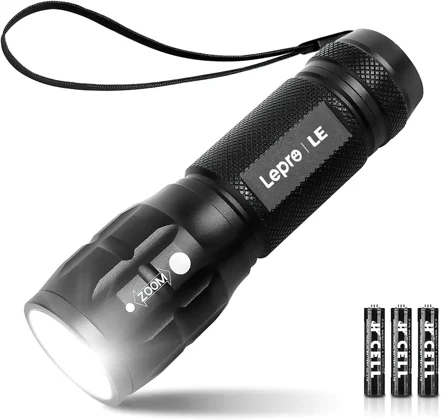
- Flashlight
- Replacement filter if needed
- Phone/camera
Before you start
- Confirm the exact location and complaint.
- Photograph labels, settings, and error codes before changing anything.
- Know how to isolate water, power, or the affected area if needed.
- Follow site-specific PPE, lockout/tagout, ladder, roof, and access procedures.
Step-by-step
Verify complaint with measurements
Record room temperature and setpoint.
Check schedule and mode
Confirm cooling is enabled and zone is occupied.
Listen and feel for airflow
Determine whether the indoor fan is actually moving air.
Inspect filter and return path
Correct severe restriction before deeper diagnosis.
Look for condensate safeties
Check pans, pumps, and float switches without bypassing them.
Compare nearby zones
Use affected-area pattern to decide local vs shared.
Document and escalate intelligently
Capture readings, tags, alarms, and affected zones.
Common mistakes
- Lowering thermostat repeatedly
- Bypassing float switches
- Assuming display means equipment is running
- Ignoring filters
- Opening energized equipment
The three-question HVAC split
- Is there a cooling demand? Verify setpoint, mode, schedule, and override.
- Is there airflow? Fan, filter, return path, and dampers.
- Is the air actually being cooled? Measure supply and room/return temperatures.
Those three answers give a service technician far more value than “the AC isn't working.”
When to stop and hand it off
- Energized electrical troubleshooting is required
- Refrigerant work is suspected
- A safety repeatedly trips
- Several zones fail together
- Burning odor/smoke is present
Frequently asked questions
Does 'Cooling' mean compressor is running?
No; it usually means cooling is being requested.
Can a dirty filter stop cooling?
Yes; restricted airflow can reduce capacity and trigger protective conditions.
How cold should supply air be?
Use measured temperature and system-specific expectations rather than hand feel alone.
Should I reset breakers?
Only per site procedure; repeated trips require diagnosis.
Related BuildingWrench guides
BuildingWrench provides general educational information for commercial-facility maintenance. Manufacturer instructions, applicable codes, site procedures, and required trade qualifications always take priority.
Tools that fit this task
Use what you already own first. These affiliate links may earn a commission at no extra cost to you. Confirm model and compatibility before buying.

Record location, readings, defects, responsible person, and follow-up date.