Rooftop Unit Not Cooling? Safe Checks Before Calling HVAC Service
Maintenance can safely verify thermostat demand, schedules, filters, airflow, visible disconnect status, obvious alarms, and condensate problems before handing compressor or electrical diagnosis to HVAC service.
When an RTU is not cooling, confirm that the building is actually calling for cooling before assuming a refrigeration failure. Check schedules, thermostat demand, filters, airflow, obvious alarms, and condensate safeties, then document what the unit is doing.
Likely causes
Do not jump straight to the most expensive possibility. These are the common places to start:
- Schedule or control issue
- Dirty filter or poor airflow
- Condensate safety trip
- Cooling-stage lockout
- Electrical or refrigeration failure
| Possible cause | How to check | Routine first move |
|---|---|---|
| Schedule or control issue | Record room temperature and setpoint | Replace loaded filters |
| Dirty filter or poor airflow | Verify occupied/cooling mode | Clear routine condensate issues |
| Condensate safety trip | Inspect filters | Correct schedule or control settings if authorized |
| Cooling-stage lockout | Confirm the supply fan is operating | Give service tech measured temperatures and fault information |
| Electrical or refrigeration failure | Record visible fault lights or codes | Replace loaded filters |
Tools and preparation
Bring these
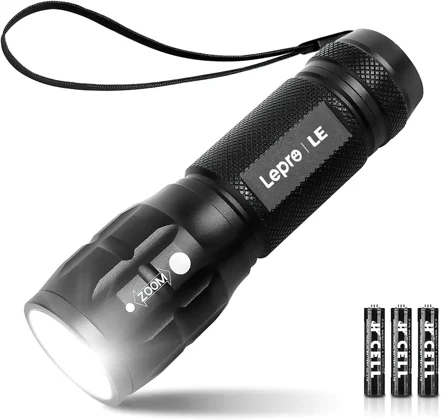
- Flashlight
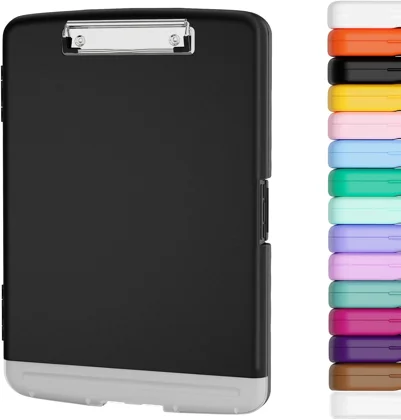
- Clipboard
- Exact model manual and phone for documentation
- Air-temperature probe
Before touching anything
- Confirm the exact location and complaint.
- Photograph labels, settings, fault codes, and the original condition.
- Determine whether the failure affects one item or several nearby items.
- Know how to safely isolate the system if the task requires it.
Step-by-step checks
Record room temperature and setpoint
Record room temperature with an air thermometer, displayed setpoint, complaint time, and affected rooms before making changes.
Verify occupied/cooling mode
Check occupied schedule, cooling mode, and normal startup delays; restore only authorized settings and record any override.
Inspect filters
With safe isolated access, inspect filter loading, dimensions, and installation; do not run without the required filter.
Confirm the supply fan is operating
Observe airflow at normal room grilles and operator-visible fan status; no airflow and warm airflow lead to different service checks.
Record visible fault lights or codes
Photograph faults before clearing anything and compare nearby units. After an allowed correction, verify stable room/supply readings and drainage; unresolved electrical or refrigerant faults need qualified diagnosis.
Routine fixes that make sense here
- Replace loaded filters
- Clear routine condensate issues
- Correct schedule or control settings if authorized
- Give service tech measured temperatures and fault information
Common mistakes
- Replacing parts before proving the failure.
- Changing several settings or components at once.
- Failing to photograph the original condition.
- Ignoring whether nearby equipment has the same symptom.
- Crossing into electrical, refrigerant, life-safety, structural, or plumbing work beyond training.
RTU field notes before the contractor arrives
Record the rooftop unit tag, thermostat/BAS demand, supply-air temperature, return/space temperature, filter condition, fan status, outdoor temperature, and any visible controller fault. If several RTUs failed at the same time, investigate shared power, schedules, BAS commands, or weather events before assuming simultaneous mechanical failures.
When to stop and hand it off
- Burning odor or abnormal electrical noise
- Repeated breaker or fault trips
- Refrigerant work is suspected
- Roof access is unsafe
Frequently asked questions
What should I check first?
Start by deciding whether the problem is local to one fixture or piece of equipment. Then begin with the simplest safe observation: record room temperature and setpoint.
What is the most common mistake?
Replacing parts before proving the failure. BuildingWrench recommends documenting the symptom, changing one thing at a time, and testing after each change.
When should maintenance stop?
Stop when the repair crosses your training or site-safety boundary. In this case, one clear handoff point is: burning odor or abnormal electrical noise.
What should I document?
Record the exact location, model or asset tag, what the equipment was doing, what you checked, what you changed, and whether the fix held through repeated testing.
Related BuildingWrench guides
BuildingWrench provides general educational information for commercial-facility maintenance. Manufacturer instructions, applicable codes, site procedures, and required trade qualifications always take priority.
Tools that fit this task
Use what you already own first. These affiliate links may earn a commission at no extra cost to you. Confirm model and compatibility before buying.
Record location, readings, defects, responsible person, and follow-up date.