Commercial Sink Draining Slowly: A Safe Maintenance Troubleshooting Guide
A slow commercial sink is commonly caused by debris in the strainer, pop-up, tailpiece, P-trap, or nearby branch drain. Start with the easiest removable components and avoid creating a chemical hazard for whoever opens the drain later.
Match the symptom before you touch anything
Good maintenance starts by describing what the system is actually doing. Use the pattern below to decide where to look first.
| What you see | What it points toward | First move |
|---|---|---|
| One sink slow | Local strainer/trap blockage | Clean fixture parts first. |
| Several sinks slow | Branch/main issue | Escalate shared drain problem. |
| Gurgling | Vent or downstream restriction | Check nearby fixtures and document. |
| Improves after trap cleaning | Local blockage confirmed | Reassemble and test. |
| Recurring blockage | Use pattern/downstream buildup | Investigate root cause. |
Tools and preparation
What to bring
- Bucket
- Rags
- Gloves
- Channel-lock pliers
- Small drain brush
Before you start
- Confirm the exact location and complaint.
- Photograph labels, settings, and error codes before changing anything.
- Know how to isolate water, power, or the affected area if needed.
- Follow site-specific PPE, lockout/tagout, ladder, roof, and access procedures.
Step-by-step
Check the drain opening
Remove visible debris from strainer or pop-up.
Check the nearby-fixture pattern
Ask which nearby fixtures are affected; do not run additional water if a shared backup is possible.
Place a bucket under the trap
Protect the cabinet before loosening anything.
Remove and clean the trap
Clean debris and inspect washers and piping.
Inspect tailpiece and wall arm
Use a light and small brush only where safely accessible.
Reassemble straight and snug
Seat washers correctly and avoid overtightening.
Test with a full basin
Start with a small flow and check joints. Only after drainage is normal, perform a controlled basin discharge while watching for backup or leakage.
Optional: using a hand drain auger
Only for an isolated, compatible branch blockage after trap cleaning. Follow your exact tool manual.
- Inspect the cable; use specified eye protection and gloves.
- Clear the workspace and access the drain without damaging the fixture.
- Keep the tool close to the opening as specified; feed without forcing.
- Stop rotation if the cable binds; use the manual’s recovery procedure.
- Retract carefully; stop rotation before the cable end exits.
- Reassemble the trap, test drainage progressively, and check joints for leaks.
Common mistakes
- Pouring strong chemicals into every slow sink
- Using a powered snake without knowing piping
- Ignoring multiple affected fixtures
- Overtightening trap parts
- Leaving cabinet wet
When to stop and hand it off
- Several fixtures back up
- Water backs up from wall connection
- Recent drain chemicals are present
- Sewage odor with repeated gurgling
- The blockage exceeds your approved tools, known piping, or training.
Frequently asked questions
Use chemical drain cleaner?
Mechanical cleaning of accessible parts is usually a safer first move; follow site policy.
Can I use a wet/dry vacuum?
Sometimes, if your site allows it and no hazardous chemicals are present.
Why does it keep clogging?
User habits, grease/food, poor slope, or downstream buildup may be involved.
One side of double sink slow?
Start with the shared waste connection serving that bowl.
Related BuildingWrench guides
BuildingWrench provides general educational information for commercial-facility maintenance. Manufacturer instructions, applicable codes, site procedures, and required trade qualifications always take priority.
Tools that fit this task
Use what you already own first. These affiliate links may earn a commission at no extra cost to you. Confirm model and compatibility before buying.
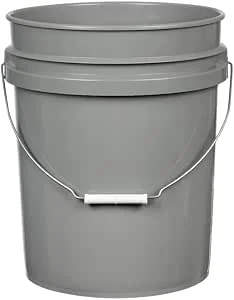
Contain a small, safe clean-water release; empty it before moving and keep exits clear.
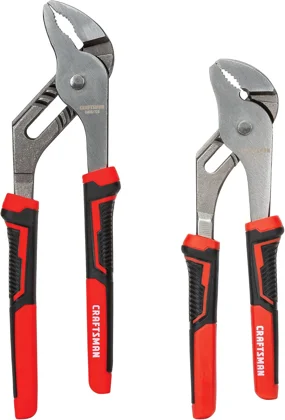
For suitable trap fittings after isolation; do not crush plastic or grip chrome finishes.
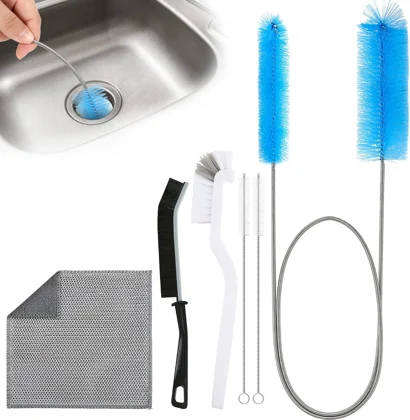
Clean only accessible, compatible drain surfaces; do not push debris into unknown piping.
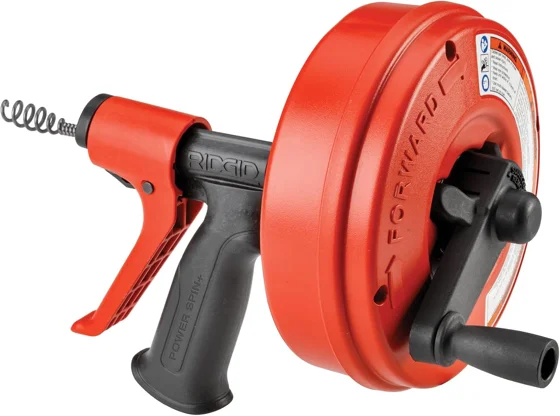
Optional only for an isolated compatible sink/branch blockage after simpler cleaning fails; not for toilets or a shared sewer backup.