Floor Drain Smells Like Sewage? Causes & Checks
A floor drain that smells like sewage often has a dry or depleted trap: the water seal that blocks sewer gases is missing. A smelly bathroom floor drain can also have residue at the grate, a failed trap primer or a vent/drainage problem.
Rule out an emergency first. If the odor could be fuel gas, is strong, or causes symptoms, leave and follow the emergency plan. Do not identify a gas by leaning over and sniffing a drain.
For an ordinary localized complaint at a known, freely draining trapped floor drain, add clean water slowly to restore the seal. Stop if water rises or nearby fixtures back up. A returning odor is a clue to investigate, not a reason to keep pouring chemicals.
Likely causes
- Dry trap
- Failed trap primer
- Biofilm in drain throat
- Siphoned trap
- Shared vent or sewer problem
| What you observe | What it may mean | Next check |
|---|---|---|
| Little-used drain; water seal is absent | Evaporation or lost trap seal | Restore water slowly if the drain is known and freely draining. |
| Odor returns after refilling | Primer failure, evaporation or siphoning may be involved | Record timing and nearby fixture use; investigate the seal loss. |
| Seal remains; grate or throat has residue | Accessible residue may contribute | Clean reachable surfaces without mixing chemicals. |
| Gurgling, rising water or several drains affected | Shared drain or vent problem | Stop adding water and arrange plumbing diagnosis. |
Tools and preparation
Bring these
- Drain brush
- 5-gallon bucket
- Exact model manual and phone for documentation
Before touching anything
- Confirm the exact location and complaint.
- Photograph labels, settings, fault codes, and the original condition.
- Determine whether the failure affects one item or several nearby items.
- Know how to safely isolate the system if the task requires it.
What the result means
Odor improves after water: The missing water seal is likely contributing. Check how often the drain is used and whether a trap primer is installed and functioning according to its manual. Add a dated observation to PM instead of assuming one refill solved the cause.
Water stays but odor remains: Clean the removable grate and reachable residue with approved products and PPE. Persistent odor with a full trap may involve another source, a damaged connection or drainage/venting; record the pattern for plumbing diagnosis.
Gurgling or several affected drains: Use the shared-drain backup guide. For a localized wet sink joint instead of drain odor, see P-trap leak checks.
Step-by-step checks
Confirm the odor source
If the odor could be fuel gas, is strong, or causes symptoms, leave and follow the emergency plan; never identify gas by sniffing a drain.
Look for water in the trap
For an ordinary localized drain complaint after hazards are excluded, inspect the accessible trap opening with a light without placing your face over it.
Add clean water
Add clean water slowly only to a known, freely draining trapped floor drain; stop if the level rises or other fixtures back up.
Clean accessible drain surfaces
Clean the removable grate and reachable residue using approved PPE and products; do not mix drain chemicals or enter a pit.
Check for a trap primer
Check the trap-primer model and service history without altering potable-water protection. Record whether odor returns; recurring loss of seal needs plumbing diagnosis.
Routine fixes that make sense here
- Restore the water seal
- Clean the drain throat
- Repair or service a failed trap primer
- Add the drain to routine pm
When to stop and hand it off
- Odor persists with a full trap
- Several drains are affected
- Drain gurgles or backs up
- Sewage is visible
Frequently asked questions
Why does the odor return after adding water?
The seal may be evaporating, the primer may not replenish it, or drainage/venting may be pulling it out. The time to recurrence helps narrow the cause.
Should I use bleach to fix sewer odor?
Chemical odor masking does not restore a missing trap seal. Do not mix cleaners or pour chemicals into an unknown drain.
What if several restroom drains smell?
Compare water seals and existing drainage symptoms. Gurgling or backups across fixtures need a shared-system investigation.
Related BuildingWrench guides
What to document
Record drain location, last known use, visible water-seal condition, time water was added, whether the odor improved and when it returned. Include gurgling, adjacent fixture behavior, primer identification and any sewage or overflow.
BuildingWrench provides general educational information for commercial-facility maintenance. Manufacturer instructions, applicable codes, site procedures, and required trade qualifications always take priority.
Tools that fit this task
Use what you already own first. These affiliate links may earn a commission at no extra cost to you. Confirm model and compatibility before buying.
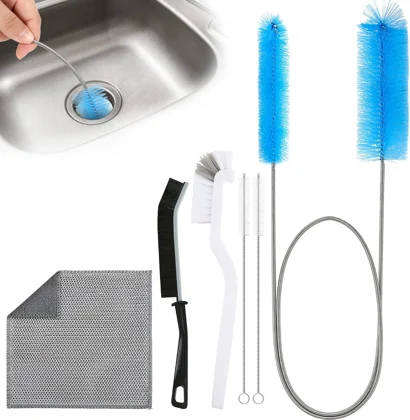
Clean only accessible, compatible drain surfaces; do not push debris into unknown piping.
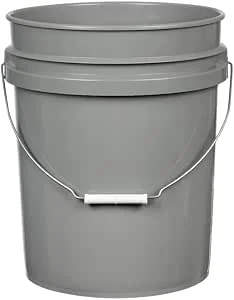
Contain a small, safe clean-water release; empty it before moving and keep exits clear.