VRF One Zone Not Cooling: How to Narrow Down the Problem
When one VRF indoor unit is warm but the rest of the system is cooling, the failure pattern is the biggest clue. Start with local controls, mode conflicts, airflow, sensors, branch components, and fault codes before assuming a system-wide refrigerant problem.
Match the symptom before you touch anything
Good maintenance starts by describing what the system is actually doing. Use the pattern below to decide where to look first.
| What you see | What it points toward | First move |
|---|---|---|
| One zone warm | Local indoor/control/branch issue | Check local mode, fan, filter, codes. |
| Several zones on one branch | Shared branch issue | Map zones to branch hardware. |
| Whole system warm | Outdoor/central issue | Treat as shared failure. |
| Fan runs, coil not cooling | Valve/branch/refrigerant/control | Document and escalate. |
| Heating/cooling conflict | Mode/control issue | Review operating mode. |
Tools and preparation
What to bring
- Thermometer
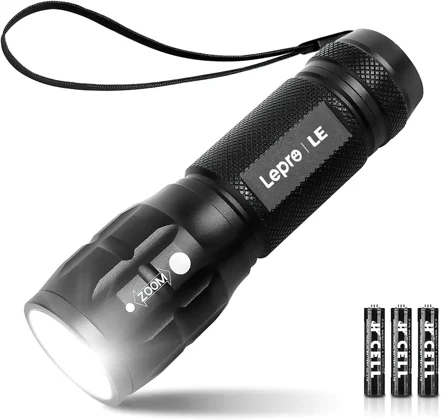
- Flashlight
- Camera/phone
- VRF controller/BAS access if authorized
Before you start
- Confirm the exact location and complaint.
- Photograph labels, settings, and error codes before changing anything.
- Know how to isolate water, power, or the affected area if needed.
- Follow site-specific PPE, lockout/tagout, ladder, roof, and access procedures.
Step-by-step
Confirm affected pattern
List every affected and unaffected zone.
Check local controller
Verify mode, setpoint, fan, schedule, overrides.
Inspect filter and airflow
Correct local airflow restriction.
Record error codes/LEDs
Do not clear before documenting.
Identify shared components
Map branch controller, outdoor unit, and communication network.
Compare supply behavior
Measure room and supply temperature if safe.
Escalate refrigerant/electrical diagnosis
Do not add refrigerant or open service valves.
Common mistakes
- Assuming one hot room means outdoor unit
- Clearing fault history
- Adding refrigerant by guess
- Ignoring mode conflicts
- Treating every indoor unit as independent
When to stop and hand it off
- Refrigerant handling is required
- Service software/electrical measurements needed
- Multiple branches fail
- Communication faults persist
- Outdoor unit alarm is active
Frequently asked questions
Why is failure pattern so important?
Because many indoor units share refrigerant and controls.
Can one setting affect another zone?
Depending on system design and control strategy, yes.
Should I add refrigerant?
No; one-zone problems are often local and VRF charging is manufacturer-specific.
What should contractor receive?
Affected-zone list, settings, codes, photos, and recent events.
Related BuildingWrench guides
BuildingWrench provides general educational information for commercial-facility maintenance. Manufacturer instructions, applicable codes, site procedures, and required trade qualifications always take priority.
Tools that fit this task
Use what you already own first. These affiliate links may earn a commission at no extra cost to you. Confirm model and compatibility before buying.
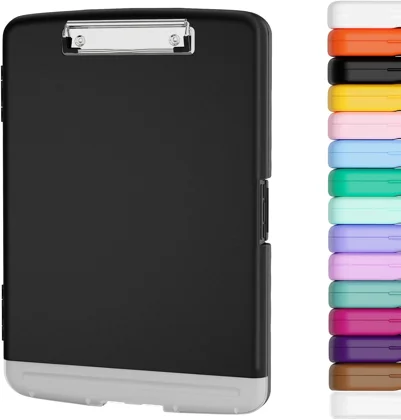
Record location, readings, defects, responsible person, and follow-up date.