Water-Source Heat Pump Not Cooling: Facilities Troubleshooting Checklist
For a water-source heat pump that runs but does not cool, verify thermostat demand, airflow, filter condition, loop-water availability, condensate safeties, and whether neighboring units are affected. Refrigerant and internal electrical diagnosis should be escalated.
Match the symptom before you touch anything
Good maintenance starts by describing what the system is actually doing. Use the pattern below to decide where to look first.
| What you see | What it points toward | First move |
|---|---|---|
| Fan runs, air not cool | Compressor/refrigerant/loop/control issue | Check loop pattern and alarms. |
| One unit hot | Local issue | Check airflow, controls, safeties. |
| Many units hot | Loop plant/control issue | Check shared system. |
| Repeated lockout | Safety/equipment fault | Record code before reset. |
| Weak airflow | Filter/fan/coil issue | Correct basic airflow. |
Tools and preparation
What to bring
- Thermometer
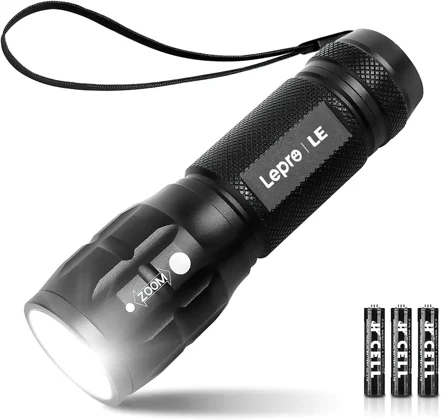
- Flashlight
- Replacement filter
- Camera/phone
- BAS access if authorized
Before you start
- Confirm the exact location and complaint.
- Photograph labels, settings, and error codes before changing anything.
- Know how to isolate water, power, or the affected area if needed.
- Follow site-specific PPE, lockout/tagout, ladder, roof, and access procedures.
Step-by-step
Verify cooling call
Record room temp, setpoint, mode, schedule.
Check airflow
Inspect filter, return, supply, and fan.
Look for condensate trouble
Check pan, float switch, and pump.
Check operator-visible loop data
Use BAS/gauges if intended for operator use.
Compare nearby units
Many affected units point to shared loop conditions.
Record lockout/LED code
Take a photo before clearing anything.
Escalate sealed-system/electrical work
Compressor, refrigerant, and energized testing require qualified service.
Common mistakes
- Condemning compressor too early
- Resetting before recording codes
- Treating shared loop issue as many local failures
- Opening water/refrigerant circuits
- Ignoring airflow
When to stop and hand it off
- Refrigerant diagnosis is required
- Electrical panel work is required
- Repeated high/low pressure lockouts
- Loop water unavailable building-wide
- Water leak inside cabinet
Frequently asked questions
How is WSHP different from split system?
It exchanges heat with a building water loop rather than its own outdoor condenser.
Can one loop problem affect many units?
Yes; shared loop conditions can affect many heat pumps.
Should I reset lockout?
Record the code first and follow site procedure.
Can dirty filter stop cooling?
Yes; airflow problems reduce capacity and can trigger safeties.
Related BuildingWrench guides
BuildingWrench provides general educational information for commercial-facility maintenance. Manufacturer instructions, applicable codes, site procedures, and required trade qualifications always take priority.
Tools that fit this task
Use what you already own first. These affiliate links may earn a commission at no extra cost to you. Confirm model and compatibility before buying.
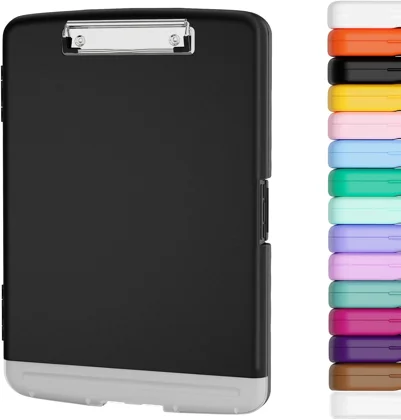
Record location, readings, defects, responsible person, and follow-up date.