HVAC Short Cycling: What Maintenance Can Document Before Service
Short cycling means equipment starts and stops more frequently than expected. Time the cycles and record thermostat demand, airflow, faults, and weather rather than repeatedly resetting the unit.
Likely causes
Do not jump straight to the most expensive possibility. These are the common places to start:
- Airflow restriction
- Thermostat or sensor issue
- Safety trip
- Control fault
- Refrigeration or electrical issue
| Possible cause | How to check | Routine first move |
|---|---|---|
| Airflow restriction | Time several cycles | Correct basic airflow issues |
| Thermostat or sensor issue | Record room temperature and setpoint | Document cycle duration and faults |
| Safety trip | Inspect filters | Escalate repeated cycling |
| Control fault | Watch for fault codes | Correct basic airflow issues |
| Refrigeration or electrical issue | Note outdoor weather and occupancy | Document cycle duration and faults |
Tools and preparation
Bring these
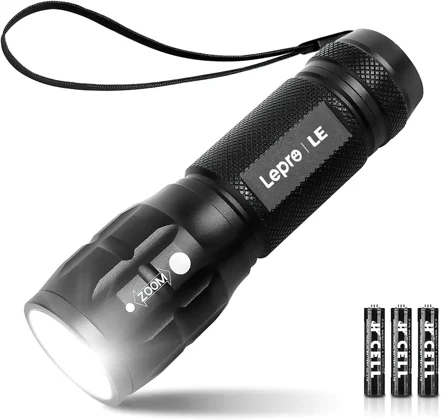
- Flashlight
- Clipboard
- Exact model manual and phone for documentation
- Air-temperature probe
Before touching anything
- Confirm the exact location and complaint.
- Photograph labels, settings, fault codes, and the original condition.
- Determine whether the failure affects one item or several nearby items.
- Know how to safely isolate the system if the task requires it.
Step-by-step checks
Time several cycles
Record start/stop times and distinguish fan cycling from compressor cycling; do not repeatedly force new cooling calls.
Record room temperature and setpoint
Record actual room temperature, setpoint, mode, and occupancy schedule before changing settings.
Inspect filters
Inspect filters and air paths with equipment safely isolated for access; use correct size and rating rather than removing filters to improve flow.
Watch for fault codes
Photograph operator-visible fault codes before resets and note whether the same code returns; never bypass pressure or temperature protection.
Note outdoor weather and occupancy
Log weather and occupancy with cycle timing. Persistent rapid cycling needs control, airflow, and refrigeration diagnosis before further operation.
Routine fixes that make sense here
- Correct basic airflow issues
- Document cycle duration and faults
- Escalate repeated cycling
Common mistakes
- Replacing parts before proving the failure.
- Changing several settings or components at once.
- Failing to photograph the original condition.
- Ignoring whether nearby equipment has the same symptom.
- Crossing into electrical, refrigerant, life-safety, structural, or plumbing work beyond training.
When to stop and hand it off
- Breakers or overloads trip
- Compressor cycles rapidly
- Electrical or refrigerant testing is required
- Burning smell occurs
Frequently asked questions
What should I check first?
Start by deciding whether the problem is local to one fixture or piece of equipment. Then begin with the simplest safe observation: time several cycles.
What is the most common mistake?
Replacing parts before proving the failure. BuildingWrench recommends documenting the symptom, changing one thing at a time, and testing after each change.
When should maintenance stop?
Stop when the repair crosses your training or site-safety boundary. In this case, one clear handoff point is: breakers or overloads trip.
What should I document?
Record the exact location, model or asset tag, what the equipment was doing, what you checked, what you changed, and whether the fix held through repeated testing.
Related BuildingWrench guides
BuildingWrench provides general educational information for commercial-facility maintenance. Manufacturer instructions, applicable codes, site procedures, and required trade qualifications always take priority.
Tools that fit this task
Use what you already own first. These affiliate links may earn a commission at no extra cost to you. Confirm model and compatibility before buying.
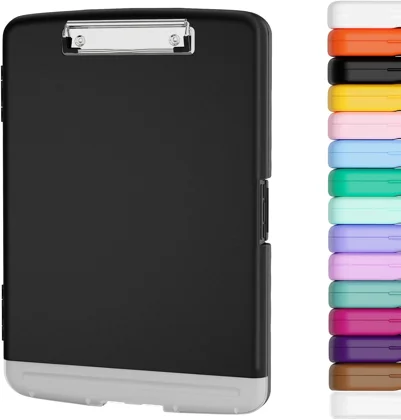
Record location, readings, defects, responsible person, and follow-up date.